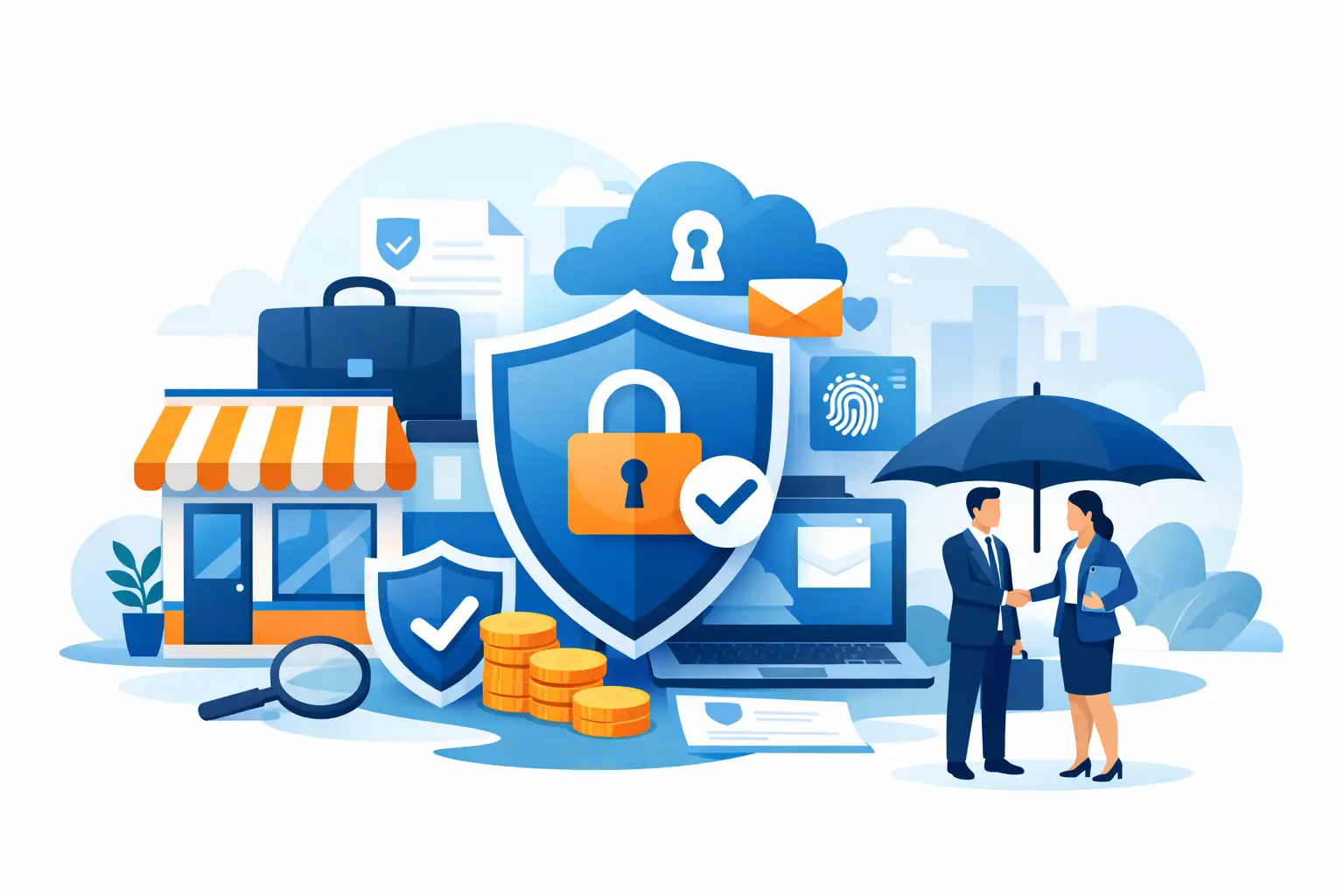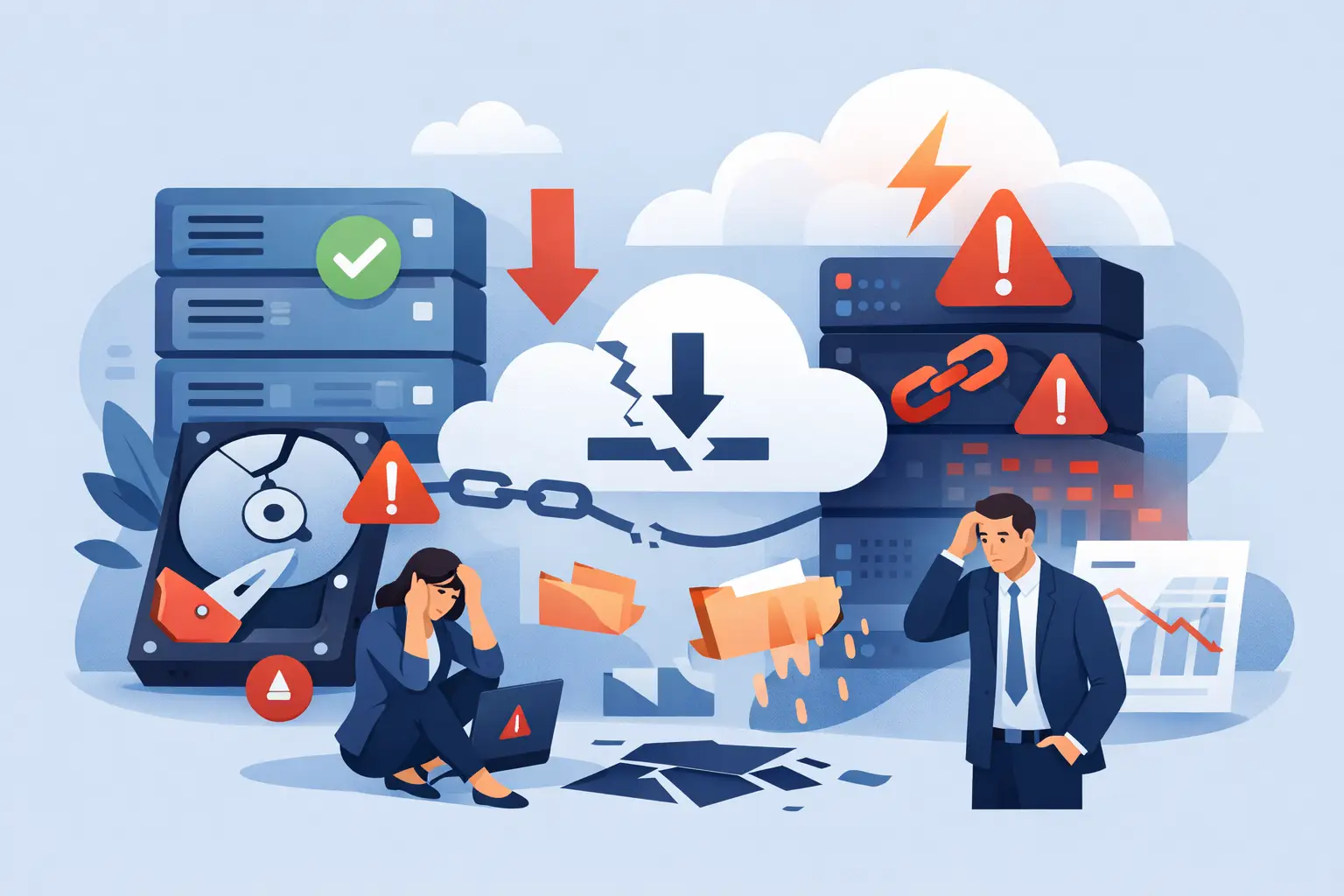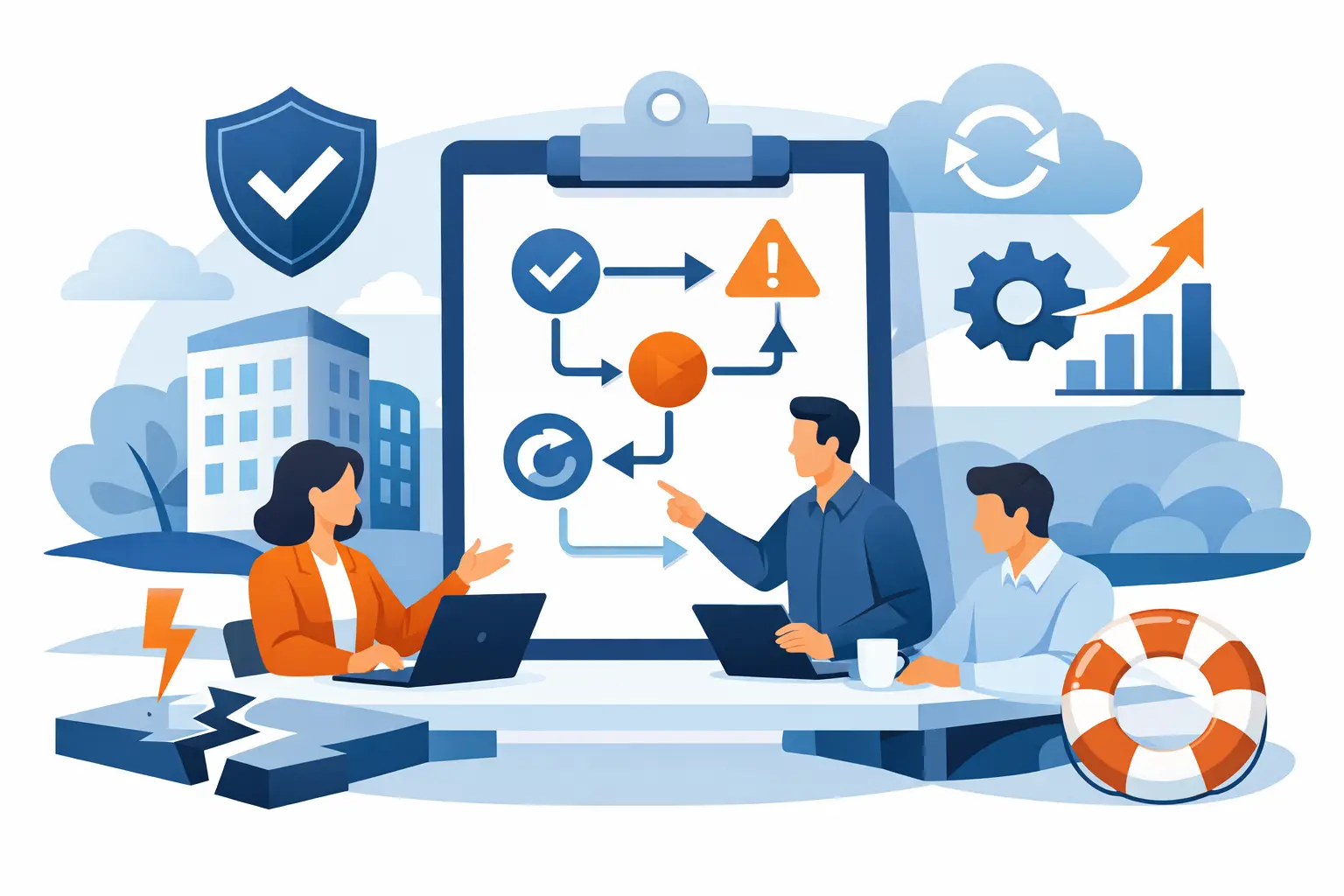

A server failure at 9.15 on a Monday morning rarely looks dramatic at first. Staff cannot access files, phones start dropping calls, and customer queries begin to queue up. Within an hour, lost time turns into lost revenue. That is why a business continuity planning guide matters for SMEs – not as a box-ticking exercise, but as a practical way to keep your business operating when something goes wrong.
For many smaller businesses, continuity planning gets pushed behind sales targets, hiring, and day-to-day operations. That is understandable. Time is limited, and most teams are already spinning several plates. The problem is that disruption does not wait for a convenient moment. Cyber attacks, power cuts, hardware faults, internet outages, supplier issues, and even office moves can all interrupt core systems faster than most teams expect.
What a business continuity planning guide should actually do
A useful business continuity planning guide should not leave you with a generic policy that sits in a folder and never gets used. It should help you identify what must stay running, how long you can afford for each service to be unavailable, who makes decisions during an incident, and what backup arrangements are realistic for your size and budget.
That last point matters. SMEs do not need over-engineered plans designed for large enterprises with dedicated recovery teams. They need something clear, workable, and tested. A good plan reflects the way your business actually operates, including where staff work, what systems they depend on, and which customers would be affected first if there was downtime.
Start with business impact, not technology
One of the most common mistakes in continuity planning is starting with a list of IT assets rather than a list of business processes. Servers, laptops, cloud platforms, and phone systems all matter, but only in relation to the work they support.
Begin by asking simple questions. What activities generate revenue? What functions are legally or commercially critical? What would stop your staff from serving customers for more than a few hours? For one business, the priority may be access to a CRM and internet telephony. For another, it may be accounts software, warehouse systems, or secure remote access for distributed teams.
This exercise usually reveals that not all systems deserve the same recovery target. That is useful. If everything is labelled critical, nothing really is. Some services may need to be restored within minutes. Others can wait until the next day without serious damage. Knowing the difference helps you spend sensibly.
Recovery time and recovery point are not the same thing
Two measures shape most continuity decisions: how quickly a system must be restored, and how much data you can afford to lose.
Recovery time is about downtime. Recovery point is about data loss between backups or snapshots. A file server that must be back online within two hours has a very different requirement from a shared archive that can wait a day. Equally, a finance system that can only tolerate fifteen minutes of lost data needs a different backup setup from one updated once a week.
This is where many plans become unrealistic. Businesses often expect near-instant recovery without the infrastructure or process to support it. There is nothing wrong with aiming high, but your continuity targets need to match your budget, technical environment, and operational reality.
The core parts of a business continuity planning guide
At a practical level, every SME continuity plan should cover five areas. First, your priority processes and systems. Second, the people responsible for decisions and communication. Third, the fallback arrangements if normal systems fail. Fourth, your backup and recovery approach. Fifth, the testing schedule that proves the plan works.
Communication is often undervalued here. During an outage, staff need to know where updates will come from, customers may need reassurance, and suppliers may need to adjust deliveries or service expectations. If your phones are down, what is the alternative? If email is unavailable, how do managers coordinate teams? These questions sound basic until you are dealing with a live incident.
Fallback arrangements also need to be specific. Saying that staff will work remotely is not enough if they cannot securely access files or line-of-business applications from outside the office. Saying that data is backed up is not enough if nobody has tested a full restore.
Risks SMEs often overlook
Cyber security is now part of continuity planning, not a separate conversation. Ransomware, account compromise, phishing-led fraud, and accidental deletion can all interrupt operations as effectively as hardware failure. A continuity plan that ignores identity protection, endpoint security, and backup isolation leaves a major gap.
Telephony is another frequent blind spot. Businesses often focus on servers and cloud apps while overlooking the damage caused by lost inbound calls. If your phones fail for half a day, how many sales opportunities disappear, and how many customers assume you are unavailable? Continuity planning should include your communications setup, not just your data.
Changes to the business can introduce risk too. Office relocations, mergers, new software deployments, and supplier changes all affect continuity. In practice, a continuity plan should be revisited when operations change, not once a year out of habit.
Testing the plan without disrupting the business
A plan is only as good as the last time it was tested. That does not mean creating chaos to prove a point. It means running sensible exercises that confirm whether people know their roles and whether systems recover as expected.
For some SMEs, a tabletop exercise is the right starting point. Managers walk through a scenario such as a cyber attack or broadband outage and talk through decisions, contacts, and workaround processes. For others, it makes sense to test specific technical elements, such as restoring critical files, failing over connectivity, or checking remote access for key users.
The important thing is consistency. Small, regular tests are more valuable than one ambitious exercise every few years. They expose outdated contacts, hidden dependencies, and assumptions that no longer hold true.
Why external support often makes the difference
Many SMEs know they need continuity planning but struggle to maintain it internally. That is not a failure of intent. It is usually a capacity issue. Office managers, operations leads, and business owners are already handling enough, and continuity work can easily become fragmented between IT, telecoms, cloud services, and security suppliers.
Working with one managed partner helps bring those moving parts together. It means backup, recovery, communications, infrastructure, and cyber security can be planned as parts of the same operating model rather than as disconnected purchases. That joined-up view matters when incidents cross more than one system, which they often do.
For businesses in Dublin, local support can also add practical value during outages, office changes, and recovery work where a remote-only provider may not be enough. Speed of response is not just a service metric. It affects how quickly normal operations return.
How to make your continuity plan usable
The best continuity plans are concise. They do not try to document every possible event in exhausting detail. Instead, they give the right people enough clarity to act quickly under pressure.
That means keeping contact lists current, storing critical instructions securely but accessibly, and writing recovery steps in plain language. It also means assigning ownership. If nobody is responsible for reviewing the plan, testing it, and updating it after changes, it will drift out of date.
There is also a cultural side to this. Staff should know where to report issues, who communicates during incidents, and what is expected of them if systems fail. Business continuity is not only an IT concern. It is an operational discipline that depends on people making calm, informed decisions.
The real goal of continuity planning
The point of continuity planning is not to eliminate every risk. No plan can do that. The goal is to reduce disruption to a manageable level, protect customer trust, and give your business a clear route through the kind of problems that would otherwise stop work.
For SMEs, that can be the difference between a difficult day and a damaging week. A practical plan will not remove pressure when something fails, but it will replace guesswork with action. And when customers, staff, and suppliers are all looking for answers, that kind of preparation carries real weight.
If your current plan exists only on paper, or if key systems have changed since it was last reviewed, that is usually the right moment to act. Continuity planning works best before you need it, when there is still time to make sensible decisions rather than urgent ones.