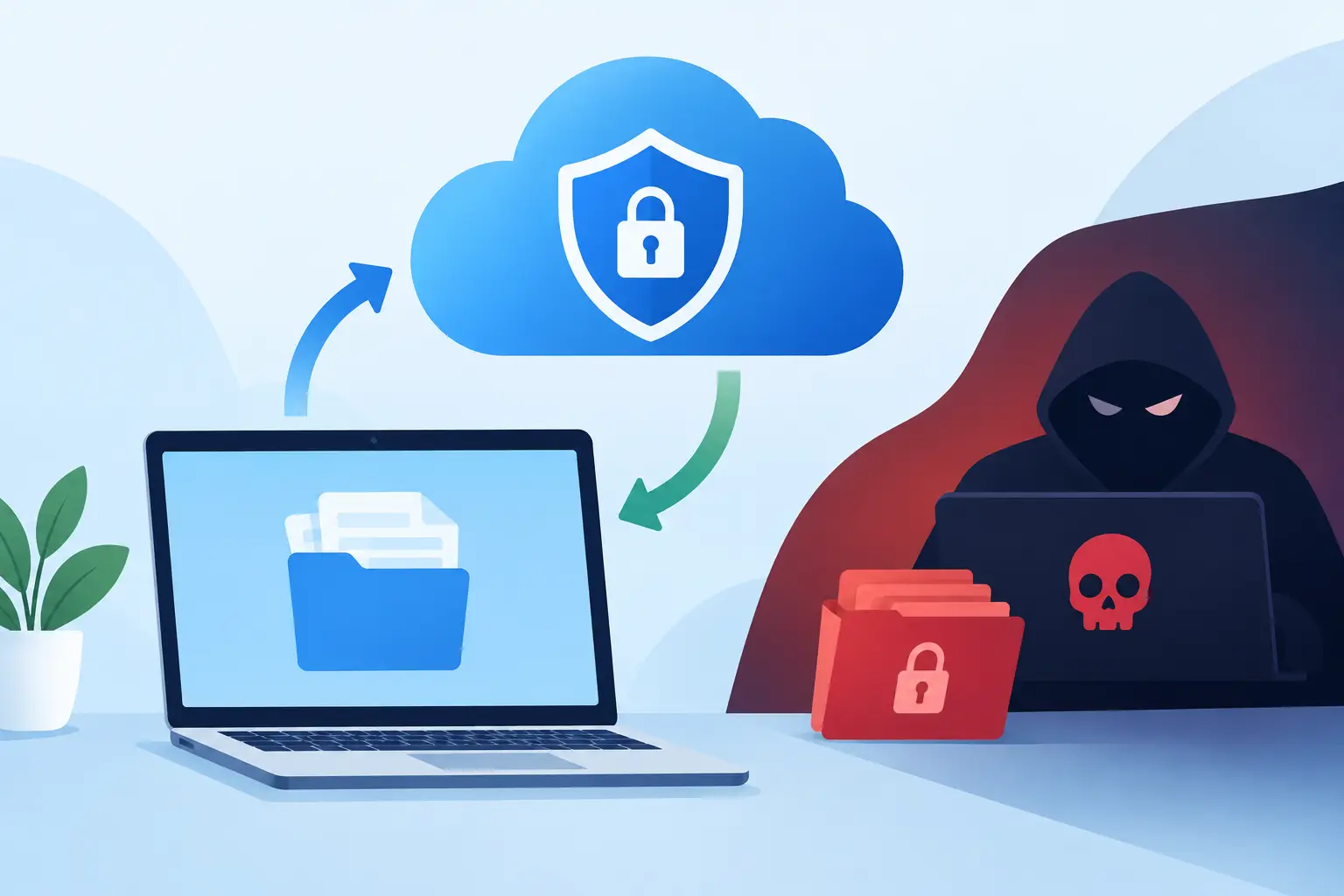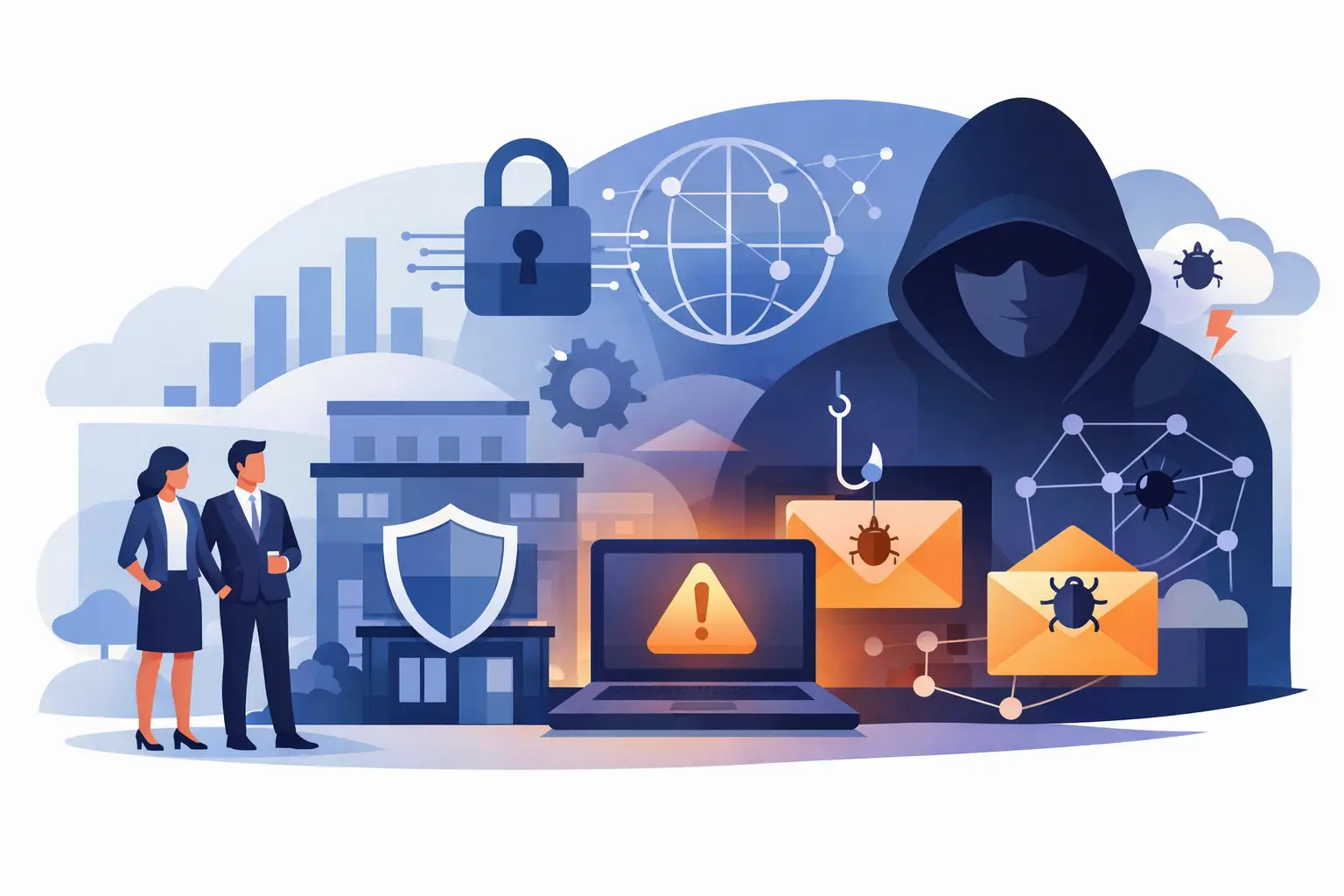

One fraudulent invoice, one compromised mailbox, one member of staff clicking the wrong link – that is often all it takes to turn a normal working day into a business interruption. The rising cyber threats to SMEs are not abstract technical risks. They affect cash flow, customer trust, staff productivity and the ability to keep trading when systems suddenly become unavailable.
For many smaller businesses, the challenge is not a lack of concern. It is a lack of time, in-house expertise and visibility. Attackers know that. They also know SMEs often rely on a mix of cloud platforms, email, mobile devices, remote access and third-party suppliers, which creates more opportunities to gain a foothold. The result is a threat landscape that has become more targeted, more convincing and more damaging for businesses that simply need their technology to work.
Why rising cyber threats to SMEs are getting worse
Cyber crime has become more commercial, more automated and easier to carry out at scale. An attacker no longer needs to be highly skilled to cause serious disruption. Ready-made phishing kits, ransomware services and stolen credentials are widely available, which lowers the barrier to entry and increases the volume of attacks aimed at smaller firms.
At the same time, SMEs have become more digitally dependent. Day-to-day operations now rely on cloud file sharing, Microsoft 365, online accounting platforms, VoIP telephony, remote desktops and mobile working. Those tools bring flexibility and productivity, but they also extend the number of entry points that need to be secured properly.
There is also a common misconception that attackers only focus on larger organisations. In reality, smaller businesses are often seen as easier targets. They may have fewer internal controls, less frequent monitoring and older systems that have not been patched consistently. In some cases, they are targeted because they are part of a larger supply chain. Breaching a smaller company can be a practical route to reaching a bigger one.
The threats causing the most damage
Phishing remains one of the biggest risks because it preys on normal business behaviour. Staff receive emails that appear to come from banks, suppliers, delivery firms or senior colleagues. The message creates urgency, asks for a payment, requests credentials or carries a malicious attachment. These attacks are successful because they are believable, not because staff are careless.
Business email compromise is particularly costly for SMEs. Instead of deploying malware, criminals gain access to an email account and quietly monitor conversations. They learn how payments are approved, when invoices are sent and who authorises transfers. Then they step in at the right moment with amended bank details or a convincing payment request. By the time the fraud is spotted, the money may be long gone.
Ransomware is still a major concern, but it has changed. It is no longer only about encrypting files. Many attackers now steal data first and use the threat of public exposure to pressure businesses into paying. For an SME, that means the impact can spread beyond downtime to contractual risk, reputational damage and difficult conversations with customers.
Stolen passwords continue to open doors. Password reuse, weak credentials and the absence of multi-factor authentication make it far easier for attackers to access email, cloud platforms and remote support tools. In many incidents, the initial breach is surprisingly simple. The real damage comes from how long the attacker remains undetected.
How these threats affect SMEs differently
Larger organisations can sometimes absorb disruption more easily. They may have internal security teams, segmented networks, formal response plans and spare capacity when systems fail. SMEs tend to feel the impact immediately. If finance systems are unavailable, invoices stop. If email is compromised, customer communication suffers. If backups are incomplete, recovery becomes slower and more expensive.
There is also the pressure of reputation. A smaller business often trades on trust, responsiveness and local relationships. Customers may be more understanding of a delayed delivery than a data breach, but repeated service issues or unclear communication after an incident can erode confidence quickly.
Cost is another factor, and this is where decisions become difficult. Not every SME can justify every security tool on the market. The right approach is usually risk-based rather than feature-based. A business handling sensitive client data, processing payments or supporting remote staff has different priorities from one with simpler systems and fewer external dependencies. Security should match the way the business actually operates.
Where SMEs are most exposed
Email is still the front door for many attacks, particularly where filtering, account protection and staff awareness are weak. Remote access is another common point of exposure, especially if legacy remote desktop services or poorly secured VPNs are left in place.
Cloud adoption can also create blind spots. Moving systems into Microsoft 365 or other hosted environments does not remove the need for configuration, access control, backup and monitoring. Many businesses assume the platform alone covers every security requirement. It does not. Shared responsibility means the provider secures the platform, but the business still needs to manage users, permissions, data handling and recovery.
Old hardware and unsupported software remain a persistent issue. They often stay in use because replacing them feels disruptive or expensive. Yet outdated systems are harder to patch, harder to monitor and more likely to fail at the wrong moment. That is not just a security issue. It is a business continuity issue.
Third-party suppliers can introduce risk as well. Accountants, outsourced admin support, telecoms providers and software vendors may all connect into business systems in some form. If those relationships are not reviewed carefully, trust can become an unguarded pathway.
What practical protection looks like
The best response to rising cyber threats to SMEs is not panic buying security products. It is building sensible layers of protection around the systems the business depends on most.
Start with identity. Strong passwords, password managers and multi-factor authentication make a meaningful difference, particularly for email, Microsoft 365, remote access and administrator accounts. If these controls are missing, they should be addressed quickly.
Then look at patching and device management. Laptops, desktops, servers, firewalls and mobile devices need regular updates, clear ownership and visibility. If nobody can say with confidence what assets are in use or whether they are current, risk increases quietly over time.
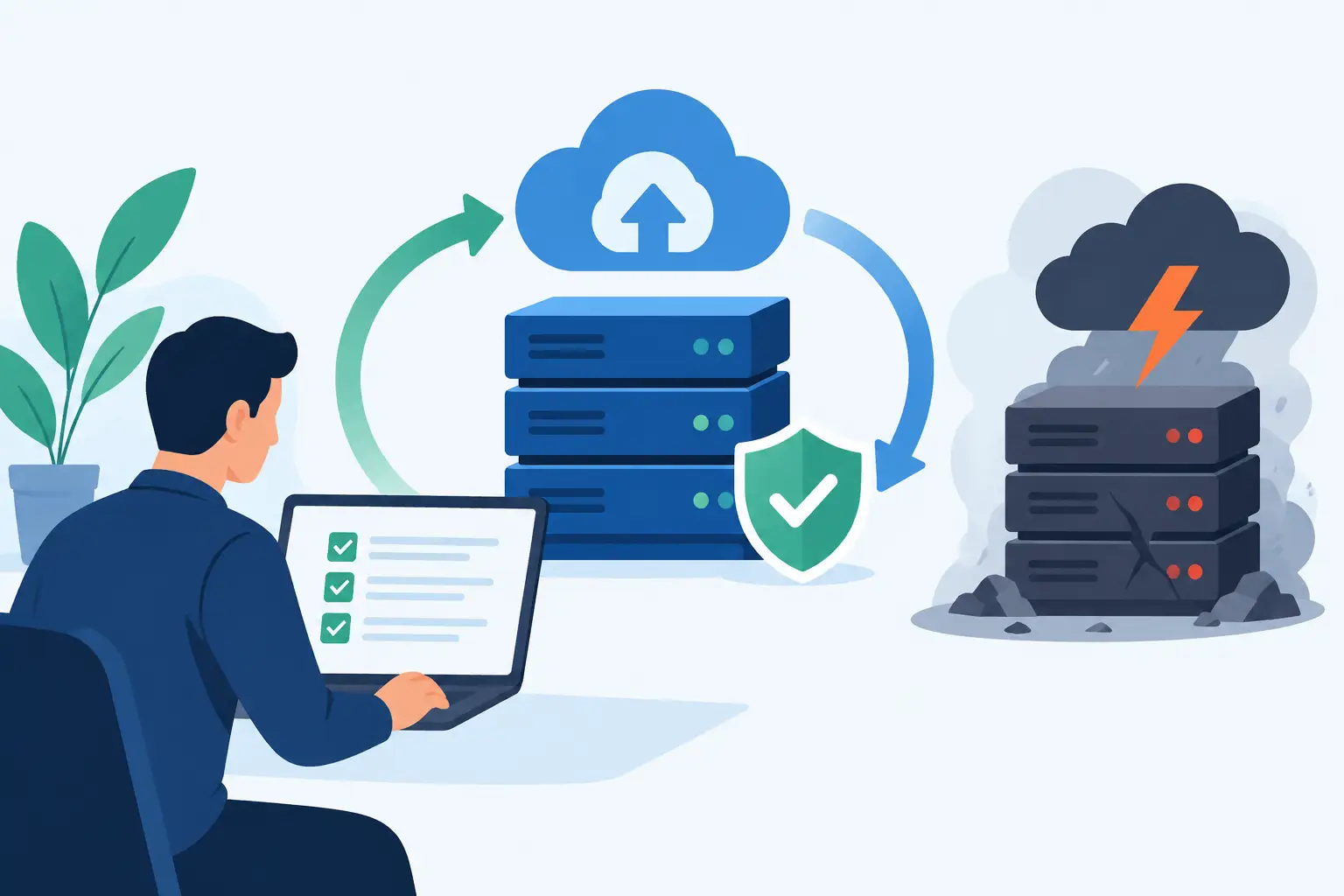
Backups need special attention because many businesses assume they are covered until they test recovery properly. A usable backup strategy should protect critical systems, keep copies separate from the live environment and allow data to be restored within a timeframe the business can tolerate. The key question is not whether backups exist. It is whether the business can recover without prolonged disruption.
Email security, endpoint protection and network monitoring also matter, but tools work best when they are managed consistently. An alert that nobody reviews is not much of a defence. This is where many SMEs benefit from having one partner oversee support, security, backup and recovery together rather than managing separate suppliers with gaps between them.
Staff awareness should be practical and regular. People do not need fear-based lectures. They need clear guidance on suspicious emails, payment change requests, password habits and what to do if something feels wrong. Fast reporting often limits the damage.
The case for a managed approach
For most SMEs, cyber security is inseparable from daily IT operations. A security issue can begin as a support issue, a cloud issue or a communications issue. That is why a joined-up service model tends to work better than isolated technical fixes.
A managed partner can help reduce downtime by keeping systems patched, monitoring unusual behaviour, tightening access controls and making sure backups are tested and recoverable. Just as importantly, they can provide a response path when something does happen. Speed matters in an incident, and so does having somebody accountable who already understands the business environment.
This does not mean every organisation needs the same level of service. A smaller office with straightforward systems may need strong baseline protection and responsive support. A growing business with multiple locations, remote staff and compliance obligations will need deeper oversight. The right fit depends on operational risk, not just headcount.
For businesses across Ireland, that balance between protection, practicality and continuity is where an experienced provider such as Host-It can make a real difference. Security is stronger when it is built into support, infrastructure, cloud services and recovery planning from the outset.
What decision-makers should do now
If your business has not reviewed its cyber risk in the last year, that is the place to start. Look closely at email security, remote access, backups, patching, user permissions and how incidents would actually be handled on a busy working day. The aim is not to eliminate every risk. It is to reduce the risks most likely to stop the business operating.
The pressure on SMEs is unlikely to ease. Attackers will continue to adapt, and smaller businesses will continue to rely more heavily on connected systems. The good news is that meaningful improvements do not always require dramatic change. A few well-managed controls, backed by dependable support, can go a long way towards keeping your people productive, your data protected and your business running when it matters most.
A sensible cyber strategy should feel like part of how the business stays open, not a separate technical burden.