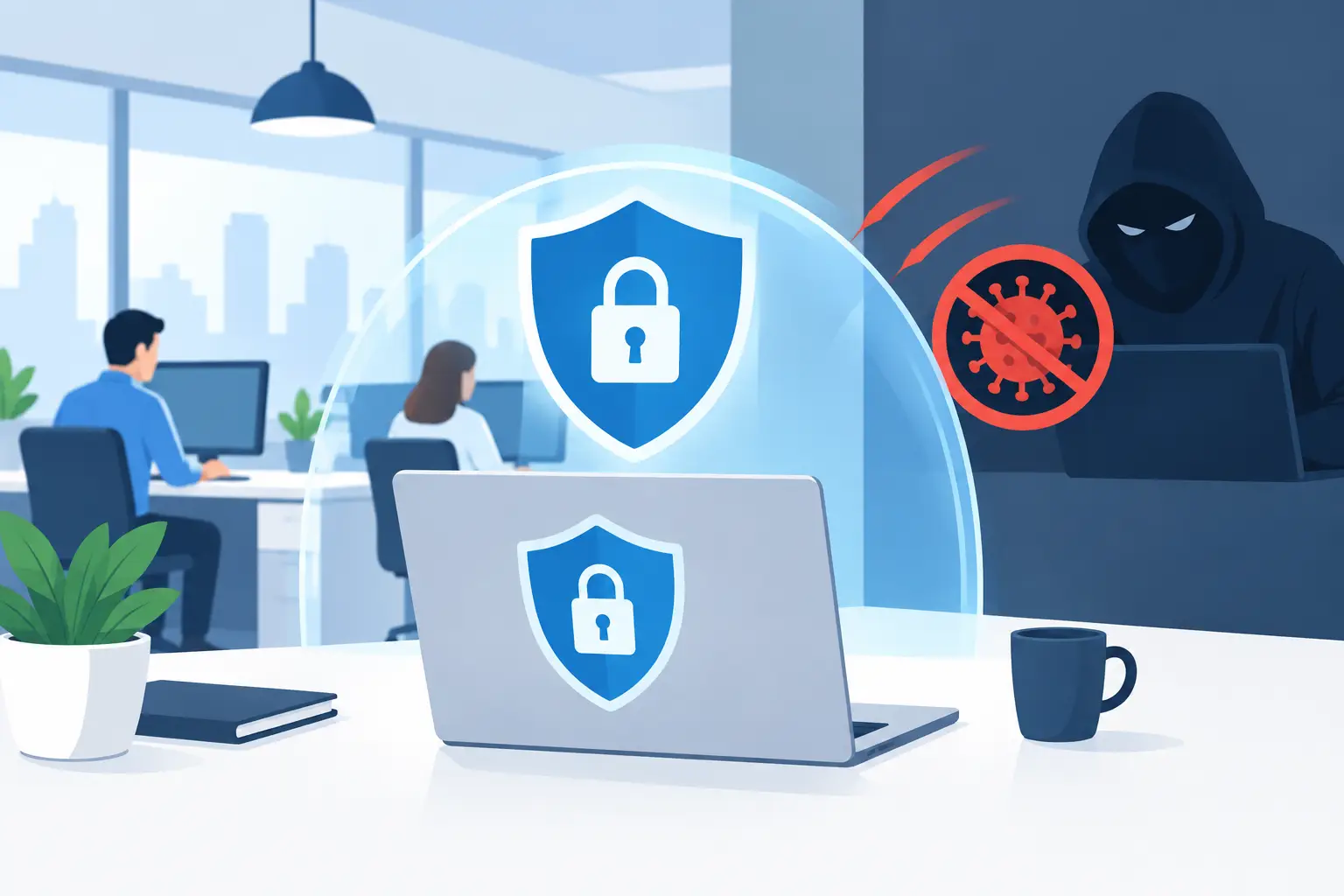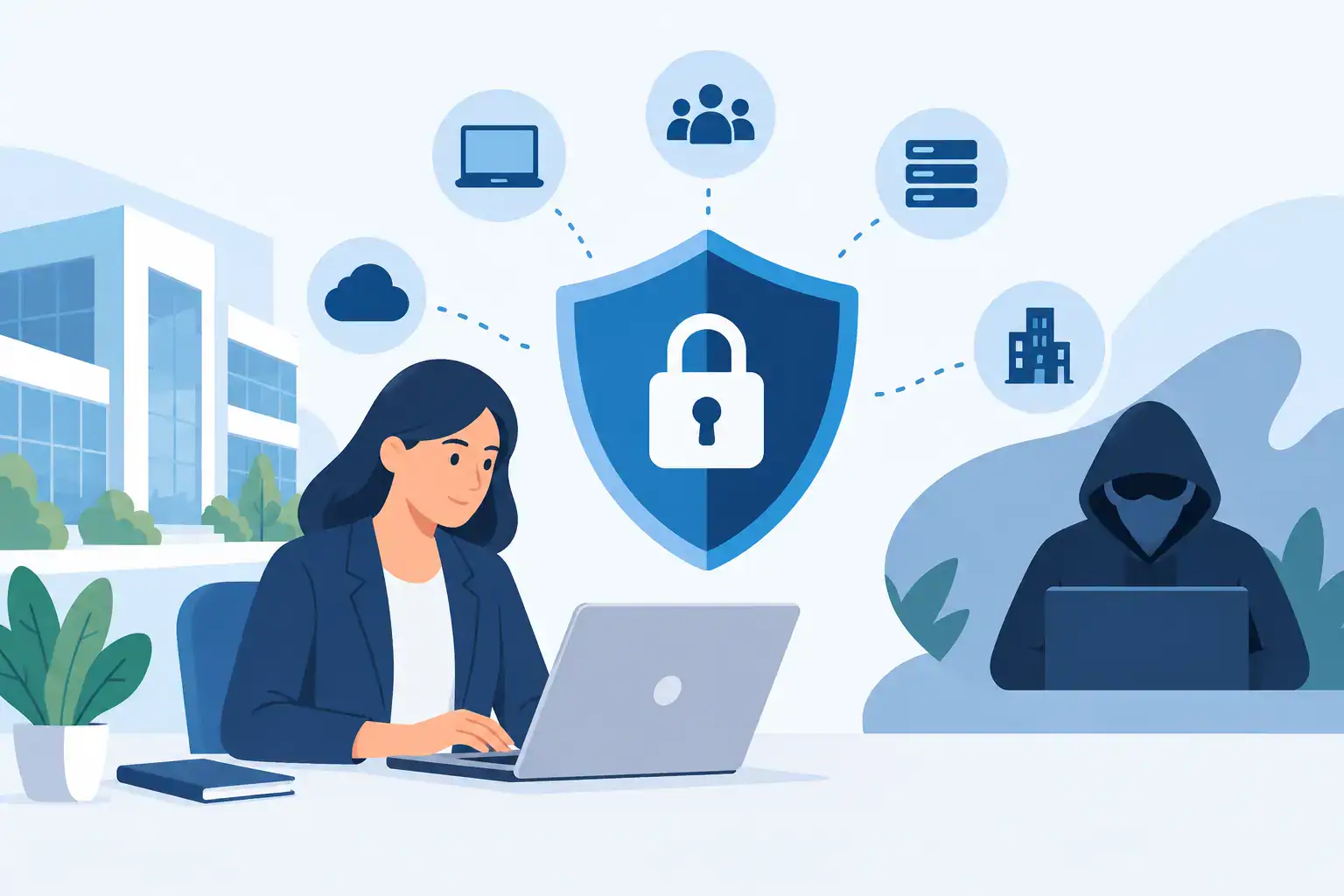

A phishing email reaches a member of staff, a remote login page is exposed, or an old cloud account is left active after an employee leaves. Any one of these can become the first step in a serious security incident. So, who needs pentesting? For most SMEs that rely on connected systems, customer data and staff access to keep trading, it is a sensible question to ask before an attacker answers it for them.
Penetration testing, often shortened to pentesting, is an authorised attempt to find and safely demonstrate weaknesses in your IT environment. Unlike a basic vulnerability scan, it examines whether flaws can actually be combined and exploited to access systems, data or business processes. The result is practical evidence of where your defences need attention.
Who needs pentesting in a growing business?
Pentesting is not reserved for large enterprises or organisations with a dedicated security operations centre. It is particularly valuable for SMEs because a successful cyber attack can have an outsized effect: interrupted trading, lost customer confidence, recovery costs and pressure on a small team already managing day-to-day operations.
Businesses should strongly consider a penetration test if they store personal, financial, health or commercially sensitive information. This includes professional services firms, accountancy practices, legal teams, property businesses, healthcare providers, recruiters and online retailers. If a criminal gained access to your files or email, the consequences would extend beyond the immediate technical repair.
It also matters for organisations that give staff remote access to systems, use cloud applications extensively, operate public-facing websites or accept payments online. These are normal parts of modern business, but each adds an entry point that needs to be configured, monitored and maintained properly. A pentest assesses how those entry points work together, rather than viewing each one in isolation.
Companies in a supply chain may need testing because a customer, insurer or tender requirement asks for it. Larger organisations increasingly expect suppliers to show that they manage cyber risk responsibly. A recent, independently delivered test can provide clearer assurance than a policy document alone, especially where a supplier handles client information or connects to a customer system.
Finally, pentesting is relevant for businesses that believe they are too small to attract attention. Automated attacks do not make that distinction. Criminals routinely scan the internet for exposed services, weak credentials and known software flaws. The target is often simply the organisation that is easiest to compromise.
The moments when a pentest delivers the most value
A regular testing programme is useful, but timing matters. The most productive tests tend to follow a meaningful change in your environment. That could be a migration to Microsoft 365 or another cloud platform, a new website or customer portal, a change to remote working arrangements, or an office move that involves new networking equipment and connectivity.
Testing before a major launch is equally sensible. If you are introducing an online booking system, client portal, e-commerce function or new integration with a partner, a pentest can identify security gaps before customers begin using it. Fixing an issue before launch is usually less disruptive and less expensive than correcting it under pressure later.
After a security incident, pentesting can help establish whether the original route in has been fully addressed and whether related weaknesses remain. It should not replace incident response, but it can form part of a stronger recovery plan once urgent containment and restoration work is complete.
For many SMEs, an annual test is a reasonable starting point, with additional targeted testing after significant change. The right frequency depends on the sensitivity of your data, the pace of technical change, contractual obligations and how much of your operation is internet-facing. A stable office network and a frequently updated online platform do not carry the same testing needs.
What pentesting can reveal that routine checks miss
Good security tools are essential, but no single product proves that an environment is safe. Antivirus software, multi-factor authentication, backups and firewalls all reduce risk. A penetration test examines whether weaknesses in configuration, access control and user processes could still allow an attacker to bypass those layers.
For example, a vulnerability scan may report missing patches. A pentester goes further by determining whether a particular flaw could lead to administrative access, whether it is reachable from the internet, and whether it can be paired with another issue to move deeper into the network. That context helps you prioritise the fixes that genuinely reduce business risk.
Testing can also expose less obvious problems: former staff accounts that remain active, overly broad permissions in cloud storage, insecure Wi-Fi configurations, poorly protected remote access, weak password controls or a web form that exposes customer information. These are often not failures of effort. They are the result of systems changing over time without every setting being reviewed as the business grows.
A useful report does more than list technical findings. It explains the potential impact in plain business terms, assigns a level of urgency and sets out remediation actions. The goal is not to create a long list of theoretical concerns. It is to give decision-makers a clear, manageable plan for reducing exposure.
Choosing the right scope for your organisation
Not every business needs the same type of pentest. An external test focuses on what an attacker can see and reach from the internet, such as websites, VPNs, email services and remote access tools. For many SMEs, this is a strong starting point because it assesses the most common route used in opportunistic attacks.
An internal test assesses what could happen if an attacker gained a foothold inside the network, perhaps through a compromised device or account. It can reveal whether network segmentation, permissions and endpoint controls limit the damage. This is particularly worthwhile where staff access sensitive shared drives, line-of-business applications or finance systems.
Web application testing is appropriate when customers, suppliers or staff use a portal or bespoke online application. Cloud configuration reviews can be highly relevant where a business relies on hosted file storage, identity management and collaboration tools. Social engineering assessments may also be appropriate, but they require careful agreement. Testing staff awareness can be valuable, yet it must be handled responsibly to preserve trust and avoid unnecessary disruption.
The scope should reflect your real risk, not a generic checklist. Be clear about the systems that are critical to trading, the times when testing must not take place, and what actions the tester is authorised to perform. Production systems need to be protected throughout the engagement. A professional provider will agree rules of engagement, communication routes and escalation procedures before any testing begins.
Pentesting is part of continuity, not a one-off certificate
A pentest is most effective when it sits within a wider security and business continuity approach. If a serious issue is found, somebody must own the remediation work, confirm that it has been completed and assess whether processes need to change. Leaving a report in a shared folder does not reduce risk.
This is where managed IT support can make a practical difference. Your IT partner can help translate findings into work that fits your environment: applying patches, tightening access permissions, improving monitoring, updating firewall rules, strengthening backup protection and documenting the changes. Retesting important findings gives assurance that the fix works as intended.
There are trade-offs. A broad test may uncover more, but it takes more time and budget. A narrowly scoped test is more affordable, but may not reveal how a weakness in one system affects another. For a smaller business, starting with the systems most exposed to the internet and most important to operations is often the right balance. The scope can then expand as the business, its digital estate and its risk profile develop.
Host-It works with Dublin SMEs that need security improvements to support everyday operations, not distract from them. The objective is to reduce avoidable risk while keeping people productive and services available.
The helpful question is not whether your business can guarantee perfect security. It is whether you know where an attacker is most likely to test you first, and whether you have a practical plan to close the gaps before a disruption puts your business on hold.