
A server fails at 9:10 on a Monday. By 9:25, staff cannot access files, calls are backing up, and someone is asking whether the latest backup actually worked. That is the moment many businesses realise they do not just need IT support – they need a clear plan for staying operational when something goes wrong. If you have ever asked what is business continuity planning, the short answer is this: it is the process of preparing your business to keep running during and after disruption.
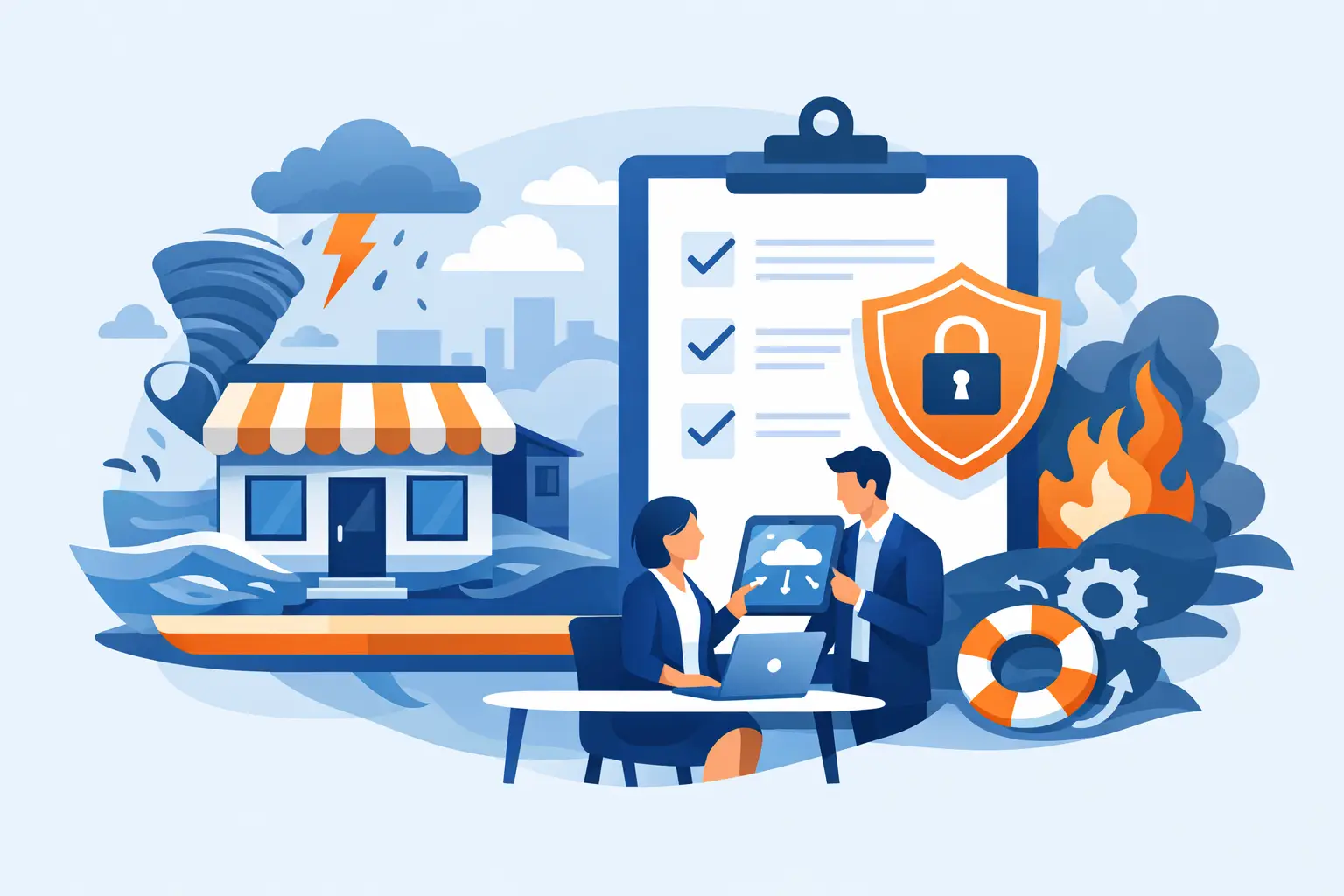
For SMEs, business continuity planning is not a corporate box-ticking exercise. It is a practical way to reduce downtime, protect revenue, support staff, and maintain customer trust when systems, premises, suppliers, or people are affected. The disruption might come from a cyber attack, hardware failure, power outage, internet loss, flood, fire, or even something as simple as a failed software update at the wrong time.
What is business continuity planning in practice?
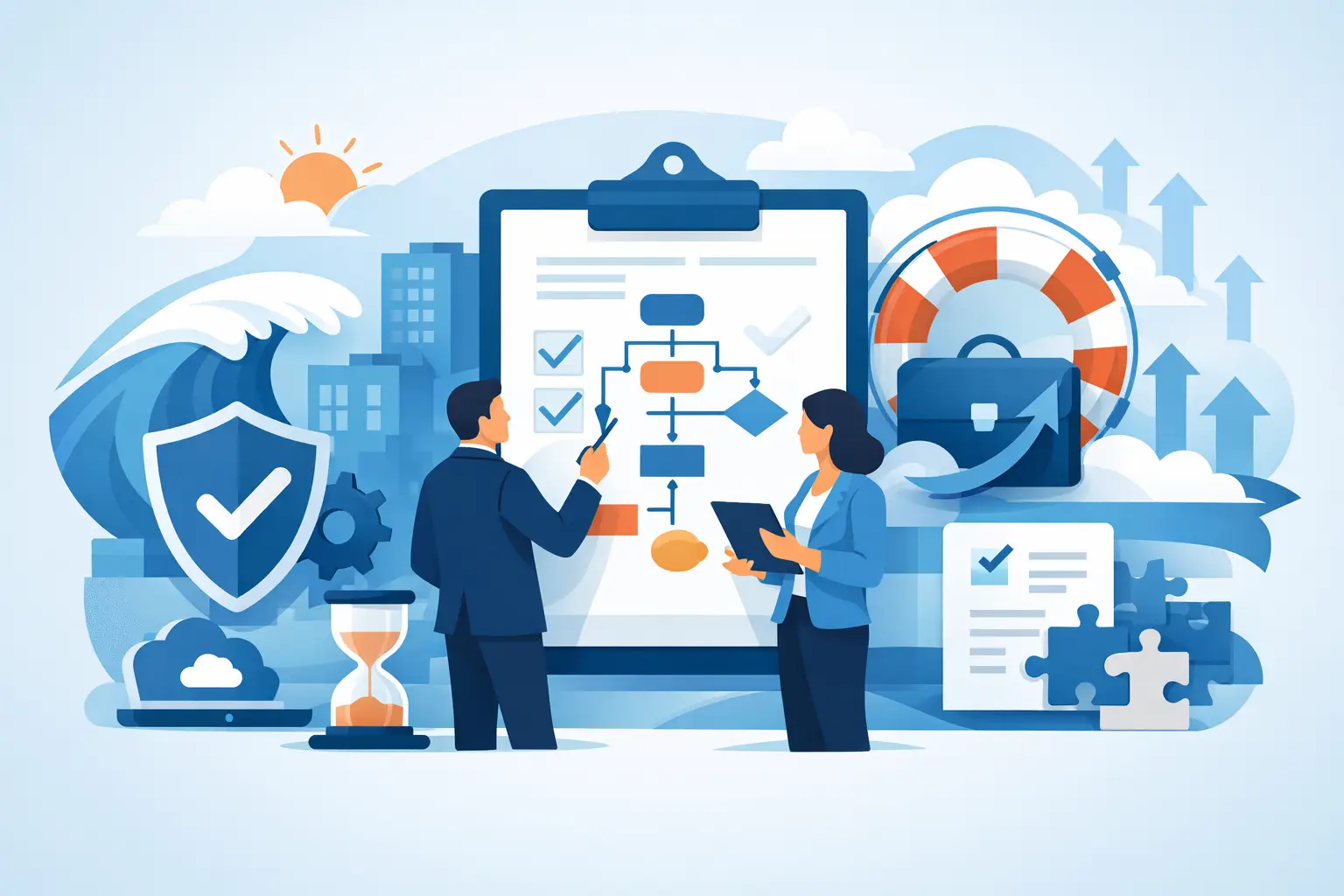
Business continuity planning is a structured approach to identifying the parts of your business that matter most, understanding what could interrupt them, and putting measures in place so they can continue or recover quickly.
That plan usually covers more than technology, although IT is often at the centre of it. It looks at how your team communicates, where data is stored, how critical systems are accessed, what happens if your office is unavailable, and who is responsible for key decisions during an incident.
A good business continuity plan answers practical questions. Which systems must be restored first? How long can the business operate without them? Can staff work remotely if the office is inaccessible? Are backups tested, not just scheduled? If phones go down, how will customers reach you? These are operational questions, not theoretical ones.
Why business continuity matters to SMEs
Larger organisations may have dedicated risk teams and internal IT departments. Most SMEs do not. That makes planning even more important, because a single outage can have a disproportionate effect on cash flow, customer service, and day-to-day operations.
A business with twenty people may rely on just a few core systems – email, file access, line-of-business software, telephony, cloud apps, and internet connectivity. If one of those fails, productivity can stop almost immediately. In some sectors, even a few hours of downtime can mean missed orders, delayed invoicing, reputational damage, or compliance issues.
There is also a common misconception that continuity planning is only about disaster recovery. Disaster recovery is part of the picture, but it is narrower. It focuses mainly on restoring IT systems and data after an incident. Business continuity planning is broader. It covers how the whole business continues to function, with technology, people, processes, suppliers, and communications all considered together.
The core parts of a business continuity plan
Every business continuity plan should reflect the business it supports. A professional services firm, a retailer, and a manufacturer will not have the same priorities. Still, most plans include the same foundations.
The first is identifying critical operations. These are the activities your business cannot afford to lose for long, such as taking payments, accessing customer records, handling calls, processing orders, or maintaining secure remote access for staff.
The second is assessing risks. That means looking realistically at the disruptions most likely to affect your business. Cyber threats matter, but so do hardware faults, broadband failures, accidental deletion, third-party service outages, and physical site issues.
The third is setting recovery priorities. Not every system needs to come back at once. Some can wait a day. Others need to be available within minutes. This is where recovery time and recovery point objectives become useful. In plain terms, you decide how quickly a system should be restored and how much data loss, if any, is acceptable.
The fourth is documenting procedures. If a key member of staff is unavailable, someone else should still know what to do. That includes incident contacts, escalation paths, backup access steps, alternative work arrangements, and communication templates.
The fifth is testing. A continuity plan that sits in a folder and is never rehearsed will often fail when pressure is highest. Plans need to be reviewed, tested, and updated as systems, staffing, and business priorities change.
What is business continuity planning meant to protect?
It protects more than servers and software. It protects your ability to trade.
That includes customer service, revenue, internal productivity, supplier relationships, data availability, regulatory obligations, and your reputation. If clients cannot reach you, staff cannot work, or records are inaccessible, the immediate issue may look technical, but the business impact is much wider.
This is why continuity planning often touches several areas at once. Your backup strategy matters, but so does your phone system. Your cyber security matters, but so does secure remote working. Your cloud platform matters, but so does whether staff know where to find updated procedures during an outage.
Common gaps SMEs tend to miss
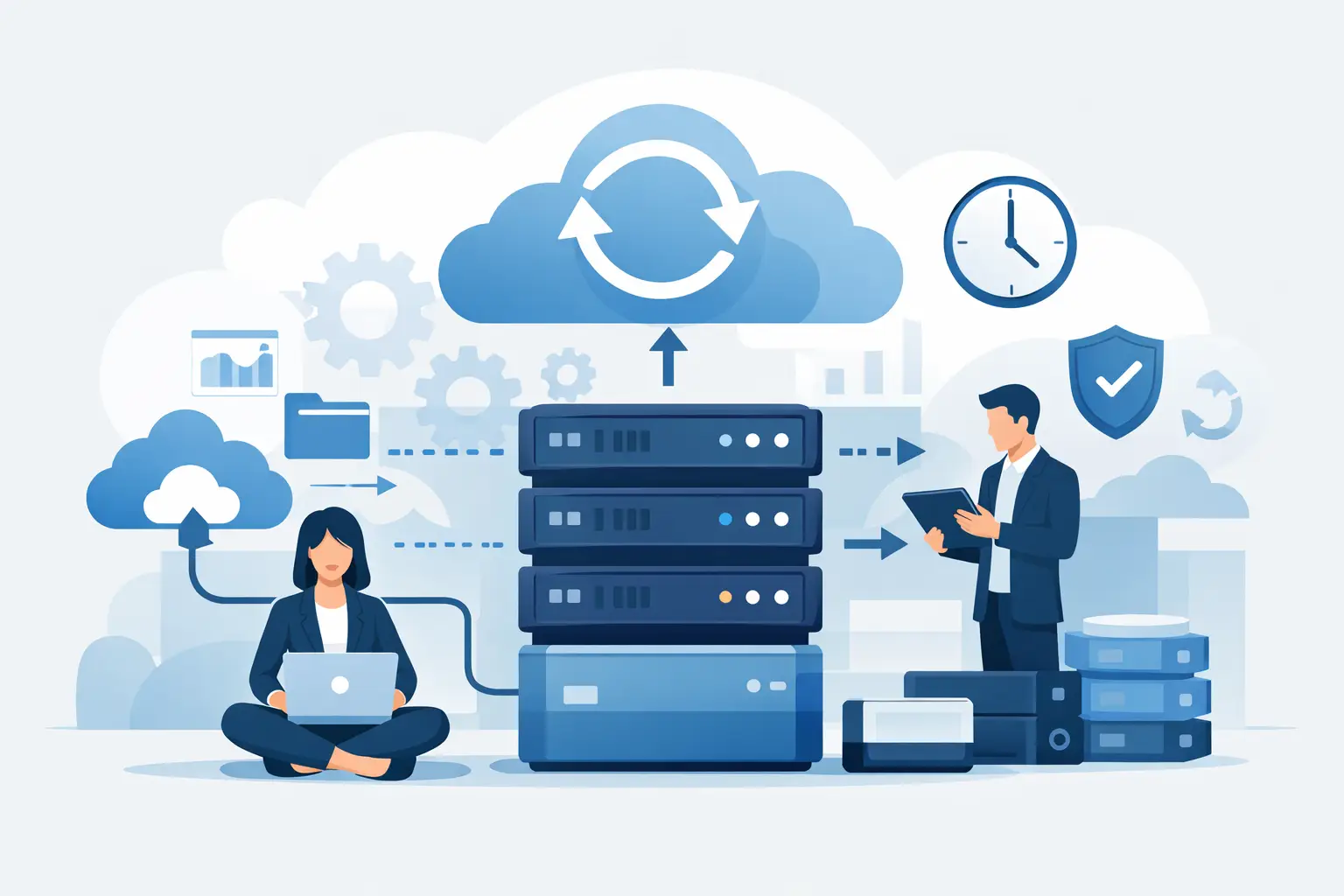
Many SMEs assume they are covered because they have backups. Backups are essential, but they are only one element. If backups are incomplete, untested, too slow to restore, or vulnerable to ransomware, they may not help when needed most.
Another common gap is relying too heavily on one person. If only one employee knows how to restart a service, access a system, or speak to a supplier, your resilience is weaker than it appears. Continuity planning should reduce single points of failure in both technology and people.
Communications are often overlooked too. During an incident, confusion spreads quickly. Staff need to know who is leading the response, where updates will be shared, and what customers should be told. A clear communication process can prevent a technical issue turning into a wider operational problem.
There is also the question of proportion. Some businesses over-engineer continuity plans for unlikely scenarios while neglecting common issues such as internet outages or Microsoft 365 access problems. Others underinvest and hope insurance will cover the consequences. The right approach is balanced – practical enough to use, strong enough to reduce real risk.
How to build a practical continuity plan
Start with business impact, not technology. Look at what your business must keep doing each day to serve customers and generate income. Then work backwards to identify the systems, people, and suppliers that support those activities.
From there, map your dependencies. If your team cannot access shared files, what stops? If broadband fails at your office, can staff work elsewhere? If your phone system is unavailable, is there a divert option? If a cyber incident affects endpoints, how quickly can devices be isolated and replaced?
Once those dependencies are clear, define realistic recovery targets. A business that handles live customer bookings may need rapid failover and high availability. A smaller office with limited operational exposure might accept longer recovery times for some systems, provided critical data is protected. This is where cost and risk need to be weighed properly. Faster recovery usually requires more investment.
Next, put controls in place. These might include secure cloud backups, multi-factor authentication, endpoint protection, documented recovery steps, remote working capability, resilient internet connectivity, and hosted telephony. The point is not to add technology for its own sake. The point is to support continuity outcomes.
Finally, test the plan. Run through realistic scenarios. Try restoring files. Confirm who has access to emergency contacts. Check whether staff can work remotely if the office is unavailable. Small tests done regularly are often more useful than a large annual exercise that nobody remembers.
The role of IT in business continuity planning
For most SMEs, IT underpins nearly every critical process. That means business continuity planning and managed IT support are closely linked.
Your infrastructure, cloud services, cyber security, backup arrangements, connectivity, and communications systems all affect how resilient your business is. If these areas are managed separately by different providers, gaps can emerge. One supplier may assume another is handling recovery, monitoring, or response responsibilities when they are not.
That is one reason many businesses prefer a single IT partner that can support the wider picture, from security and backup through to telephony and remote access. At Host-It, that joined-up approach helps SMEs reduce downtime and avoid the fragmentation that often weakens continuity planning.
When should a business review its plan?
At minimum, review it annually. In reality, you should also review it after major change. That includes moving office, changing cloud platforms, introducing new software, expanding headcount, taking on regulatory obligations, or experiencing an incident that exposed weaknesses.
A continuity plan should reflect the business as it operates now, not as it looked two years ago. If your systems, suppliers, or working patterns have changed, the plan needs to change with them.
Business continuity planning is not about predicting every possible problem. It is about being ready enough that a problem does not stop your business in its tracks. For SMEs, that readiness can be the difference between a disruption that is managed and one that becomes expensive, prolonged, and damaging. The best time to put that plan in place is before you need to rely on it.