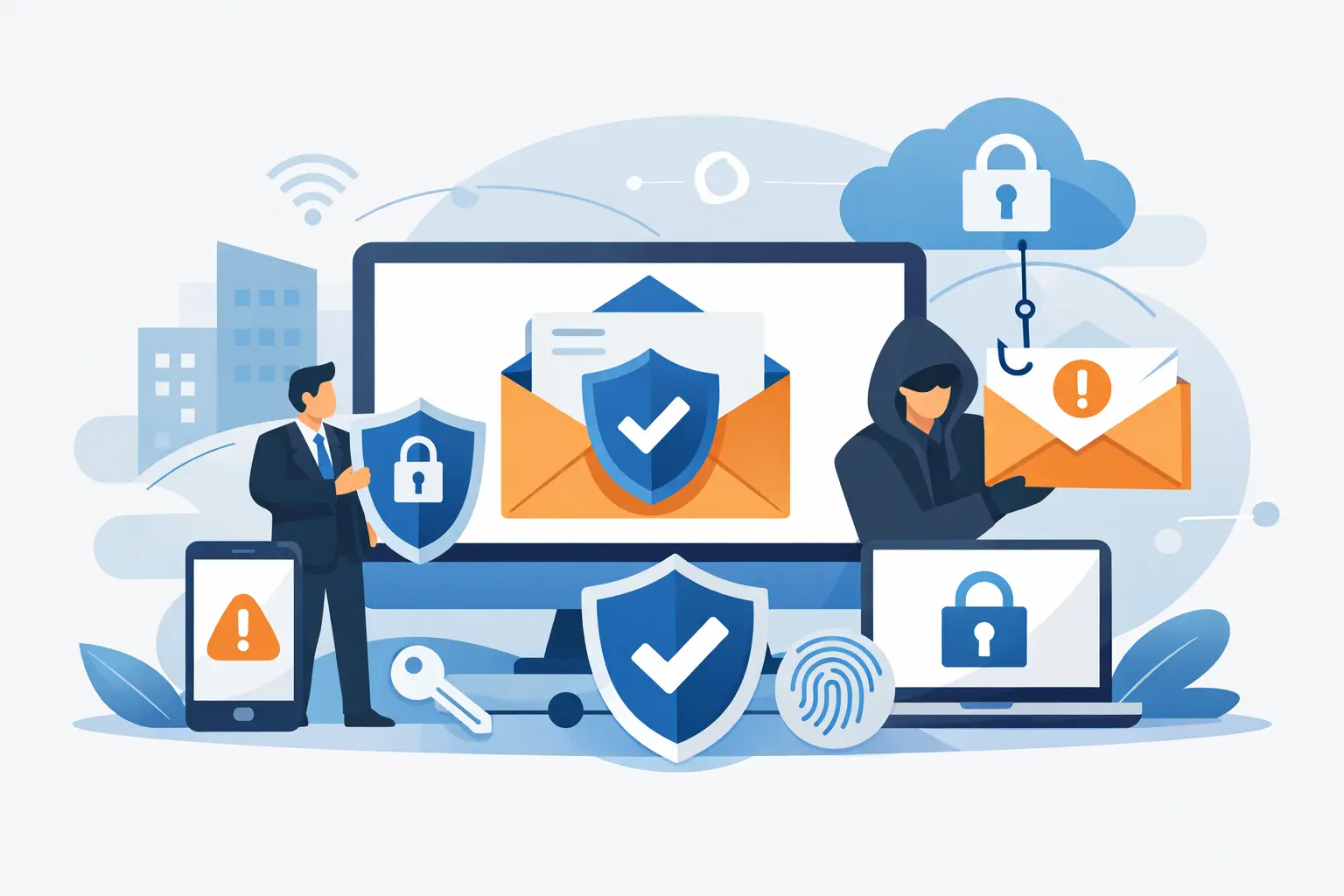

A single phishing email can stop payroll, lock staff out of shared files and leave customers waiting for answers. For many small and medium-sized businesses, that is when cybersecurity security services stop sounding like a technical extra and start looking like an operational necessity.
The real issue is not just whether your business could be attacked. It is whether you could keep trading if something goes wrong. Most SMEs do not have the time, in-house expertise or spare capacity to monitor threats, patch systems, review backups and support users all at once. Security has to work alongside the rest of the business, not sit in a separate box.
What cybersecurity security services should actually do
Good cybersecurity security services are not just about blocking malware. They are there to reduce downtime, protect business data, support staff and help your systems recover quickly when an incident happens. That wider view matters because most security problems affect operations long before they become a forensic exercise.
If a member of staff clicks a malicious link, the first concern is usually access – email, files, phones, cloud systems and customer records. If a laptop is stolen, the question is whether the device was encrypted and whether company data can be removed remotely. If a server fails during an attack, the quality of your backup and recovery plan suddenly matters just as much as your antivirus.
That is why effective services usually combine prevention, monitoring, response and continuity planning. On their own, individual tools rarely solve the full problem.
Why SMEs are exposed in different ways
Larger organisations often have specialist teams for infrastructure, compliance, networking and security. SMEs tend to have one office manager, a finance lead, or a business owner trying to make technology decisions between everything else. That is not a weakness. It is simply the reality of how smaller businesses operate.
The trade-off is that smaller firms can end up with a mix of systems bought at different times for different reasons. A cloud platform here, an old on-site server there, a few remote workers using personal devices, and a broadband setup that was never designed for business resilience. Each decision may have made sense at the time. Together, they can leave gaps.
Attackers do not only go after companies with huge turnover. They go after firms with weak passwords, poor patching, exposed remote access, limited monitoring and no tested recovery process. A business does not need to be high profile to be vulnerable. It only needs to be easier to disrupt than the next one.
The core parts of cybersecurity security services
A sensible security service starts with visibility. You need to know what devices, users, software and data you are actually protecting. Without that, even basic decisions become guesswork.
Endpoint protection is one layer. It helps secure laptops, desktops and servers against malware, ransomware and suspicious behaviour. Useful, yes, but not enough by itself. Email security is equally important because so many attacks start in the inbox through impersonation, malicious attachments or fraudulent payment requests.
Identity and access controls matter just as much. Multi-factor authentication, password policies and user permissions can dramatically reduce risk, especially where staff access Microsoft 365, cloud file storage or line-of-business systems remotely. If every user has broad access, one compromised account can spread problems quickly.
Then there is patching and device management. Many incidents happen because known vulnerabilities were left open for too long. Keeping operating systems, firmware and applications up to date is not glamorous work, but it prevents a large share of avoidable security issues.
Monitoring is another major component. Security tools generate alerts, but someone still has to review them, separate false alarms from genuine threats and act fast when something looks wrong. That is often where SMEs struggle. Buying software is easy enough. Managing it consistently is harder.
Finally, backup and disaster recovery sit at the heart of any serious service. Security is not only about stopping bad things from happening. It is about making sure your business can continue if they do.
Prevention matters, but response matters too
Many providers focus heavily on prevention because it sounds decisive. Firewalls, filtering and antivirus all have an obvious place, and they should be in place. Still, no defence is perfect.
People make mistakes. Suppliers can be impersonated. Credentials can be stolen. Devices can go missing. A practical security service accepts that incidents may still happen and plans for them. That means having a clear route for isolating affected devices, resetting access, restoring data and communicating with staff.
For SMEs, speed is often the difference between a disruption and a crisis. A prompt response can limit spread, reduce downtime and preserve evidence if further investigation is needed. A delayed response can turn a single compromised account into an office-wide outage.
This is one reason managed support has value. Security is strongest when it is part of day-to-day IT operations rather than treated as a separate annual purchase.
How to judge whether your current setup is enough
Many businesses assume they are covered because they have antivirus installed and backups running. That may be true at a basic level, but it does not always mean the business is properly protected.
A better question is whether your setup would stand up under pressure. Could you tell if an account had been compromised? Are backups tested, not just scheduled? Is remote access secured properly? Do leavers lose access immediately? Can staff report suspicious activity and get a quick answer? If a key machine failed tomorrow, how long would recovery actually take?
It also helps to look at where responsibility sits. If security tasks are spread across a busy internal administrator, a broadband provider, a software reseller and a third-party support firm, gaps can appear between them. When no one owns the whole picture, important details are missed.
The case for one joined-up service
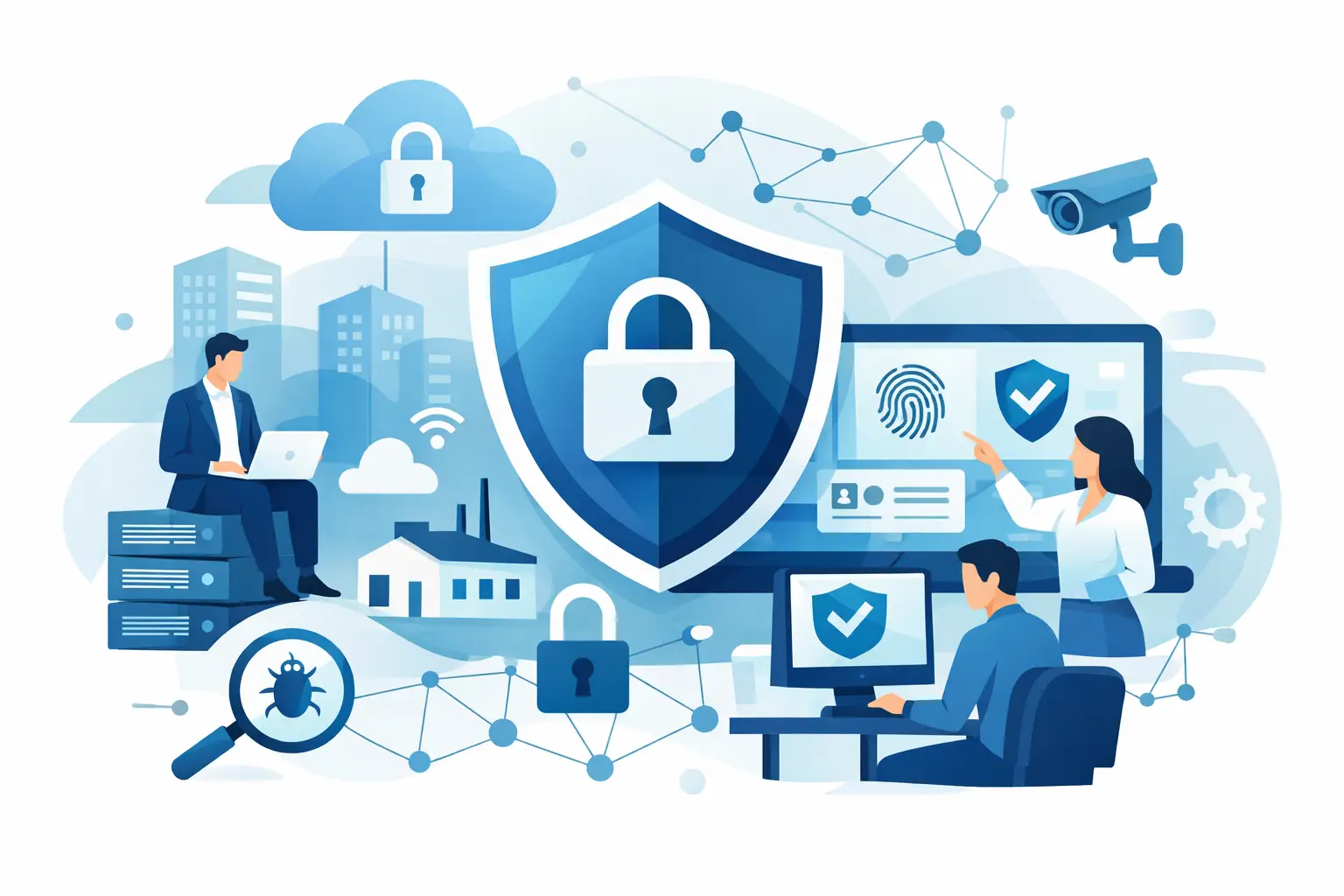
Security works better when it is tied to your wider IT environment. Email protection, endpoint management, cloud access, network security and backup all affect one another. If those services are handled in isolation, troubleshooting takes longer and accountability becomes blurred.
An integrated provider can look at risk in business terms rather than product terms. That means asking which systems matter most, where downtime would hurt, how your staff work, and what level of resilience is realistic for your budget and sector. A retail business, a legal practice and a construction firm may all need strong protection, but the priorities will differ.
There is also a support benefit. When users are locked out, calls are dropping, or files are unavailable, the problem may involve security, connectivity and infrastructure at the same time. A joined-up service can resolve the issue faster because it is not passing the problem around multiple suppliers.
For Irish SMEs especially, local responsiveness still matters. Clear advice, quick escalation and practical support count for a great deal when an issue is affecting the working day.
What to expect from a dependable provider
A dependable security partner should start with your operations, not with jargon. The right conversation covers your users, devices, cloud systems, remote working patterns, backup needs and business-critical services. From there, the provider can recommend protection that fits how your company actually runs.
You should also expect regular review, not a set-and-forget approach. Threats change, staff join and leave, offices move, software evolves and businesses grow. Security services need to adapt with that reality.
Clear reporting matters too. Decision-makers should be able to understand what is being protected, what risks need attention and what actions are being taken. You do not need pages of technical noise. You need confidence that someone is watching, maintaining and improving your environment.
That is the value of a service-led approach. Providers such as Host-It support SMEs by combining security with managed IT, cloud, recovery and connectivity, so protection is tied directly to uptime and productivity rather than treated as a standalone product.
Cybersecurity security services are a business decision
For most SMEs, the real question is not whether they need better security. It is how to put sensible protection in place without building an expensive internal team or creating more complexity.
The answer is usually a managed, practical service that covers prevention, monitoring, user protection and recovery in one plan. Not every business needs the same level of tooling, and there is always a balance between budget, risk and operational needs. But every business does need clarity on what would happen if systems were disrupted.
If your technology underpins sales, service delivery, finance or communication, security is already part of business continuity. The strongest step is to treat it that way before a problem forces the point.
Our page on cyber security services in Ireland sets out the controls we include as standard.