
A missed invoice, a locked file server, or customer records sent to the wrong person can create just as much disruption as a major ransomware attack. That is why the question, what is data security in cyber security, matters to any business that relies on systems, staff and shared information to keep trading.
Data security is the practice of protecting digital information from unauthorised access, alteration, disclosure and destruction. In cyber security, it sits at the centre of the wider effort to keep businesses safe. Firewalls, antivirus tools and email filtering all play a part, but their real purpose is often the same: to stop sensitive data being exposed, stolen, corrupted or held hostage.
For most SMEs, data is not an abstract technical asset. It is customer information, payroll records, supplier contracts, sales figures, emails, backups and financial documents. If that data becomes unavailable or untrustworthy, operations slow down quickly. Staff cannot work properly, customers lose confidence and leadership is left dealing with disruption instead of running the business.
What is data security in cyber security really about?
At a practical level, data security is about control. Who can see your data, who can change it, where it is stored, how it is transferred and whether it can be recovered if something goes wrong. Good cyber security protects devices and networks, but good data security focuses more directly on the information itself.
This matters because businesses no longer store data in one place. Files may sit on laptops, cloud platforms, mobile phones, shared drives, backup systems and third-party software. The risk is not only an outside attacker breaking in. It can also be a weak password, a member of staff opening the wrong attachment, a former employee retaining access, or a simple mistake that exposes confidential records.
When people think about cyber security, they often picture hackers. In reality, data security also covers routine business safeguards such as access permissions, encryption, data handling policies and reliable backup. It is less about one dramatic event and more about reducing everyday risk across the business.
The three goals behind data security
A useful way to understand data security is through three core goals: confidentiality, integrity and availability.
Confidentiality means only the right people can access the right data. A payroll file should not be visible to every employee. Customer details should not be shared outside approved systems. Access needs to be restricted and monitored, not left open for convenience.
Integrity means data remains accurate and unchanged unless an authorised person updates it. If financial records are altered, whether by malware or human error, the business may make decisions based on false information. Cyber security controls help preserve trust in the data your teams rely on.
Availability means data is accessible when needed. If files are encrypted by ransomware, deleted accidentally, or lost due to hardware failure, the business may come to a halt. Backup, recovery planning and resilient infrastructure are all part of data security because protected data is not much use if nobody can get to it.
These three goals often compete. Tight access controls improve confidentiality but can frustrate staff if permissions are too restrictive. Broad access makes work easier but increases risk. The right approach depends on the type of data, the size of the team and how the business operates.
Common threats to business data
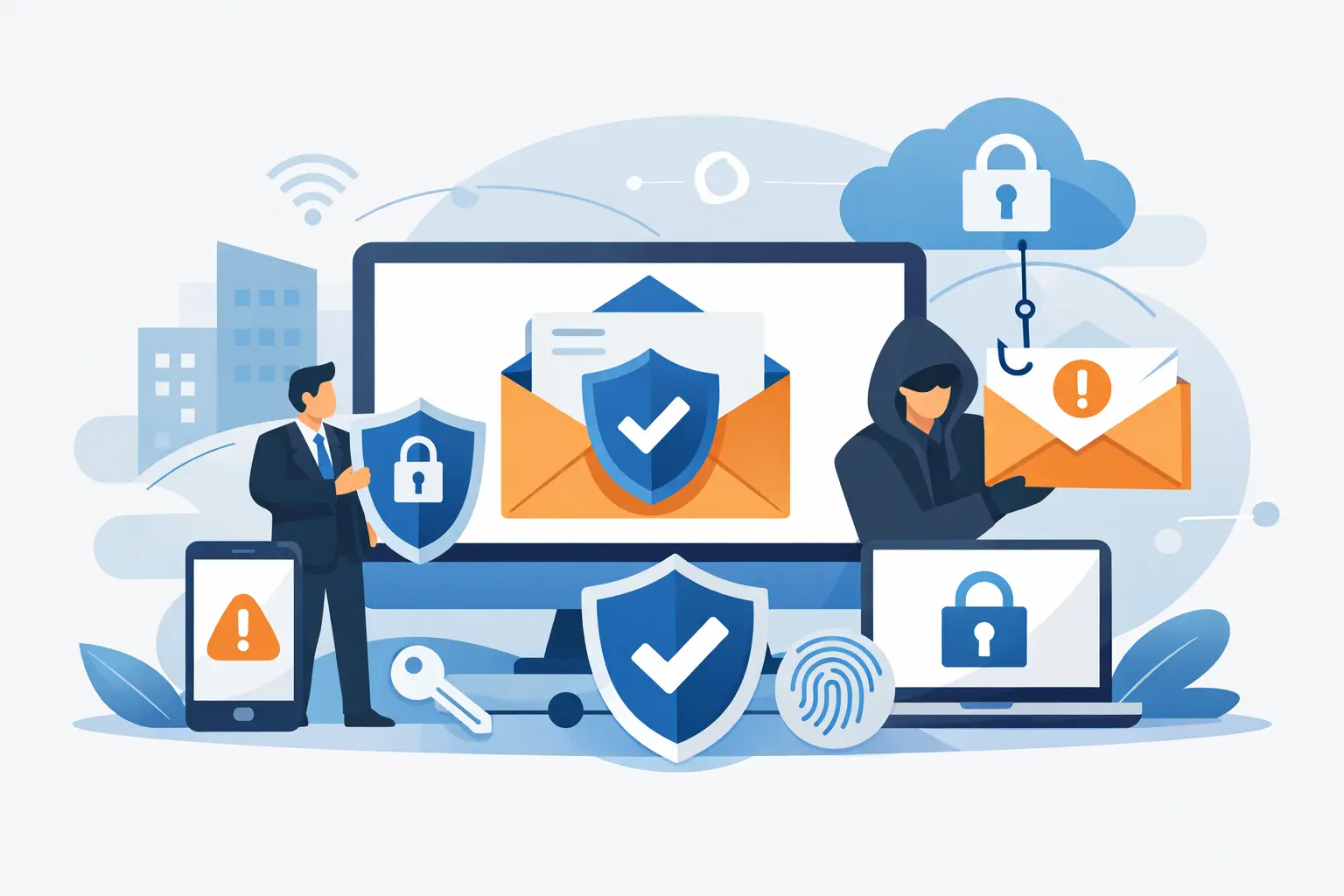
Most SMEs face a mix of external threats and internal weaknesses. Phishing remains one of the biggest problems because it targets people, not just systems. A convincing email can trick someone into handing over credentials or opening malware, which then gives attackers a route to sensitive files.
Ransomware is another serious threat. Attackers may encrypt data, steal it before locking systems, and then demand payment. That creates two separate risks: operational downtime and potential exposure of confidential information.
Weak passwords, reused credentials and poor access management are also common causes of data breaches. If several staff share one account, or if old accounts are never disabled, it becomes difficult to control who has access to business information.
Then there is accidental loss. A document sent to the wrong recipient, an unencrypted laptop left behind, or a folder deleted without a proper backup can create real damage without any malicious intent. For many organisations, day-to-day mistakes are just as likely as targeted attacks.
What does good data security look like?
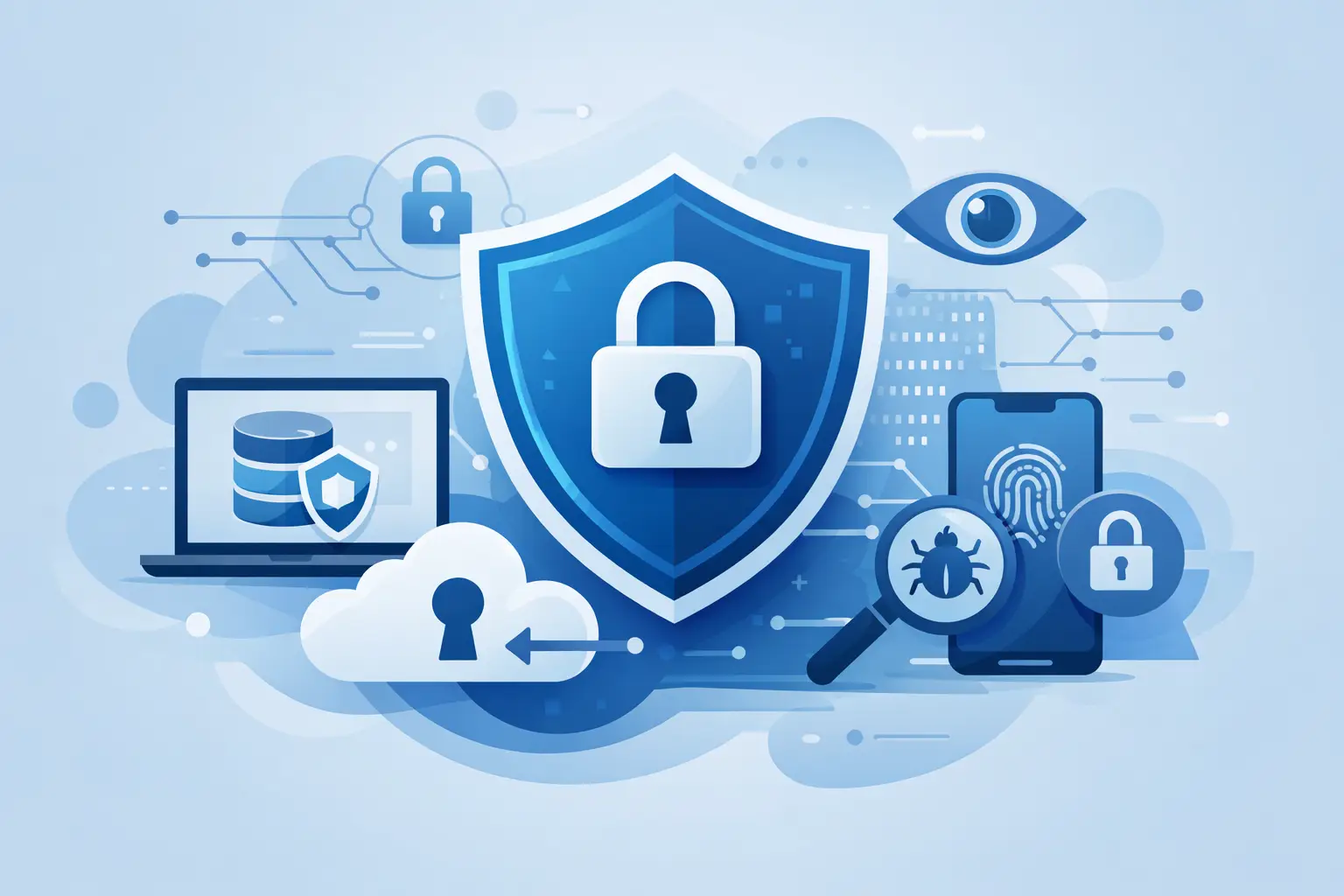
Good data security is layered. There is rarely one tool that solves the problem. Instead, businesses need a combination of technical controls, sensible policies and support that fits how staff actually work.
Access control is one of the most important measures. Staff should only have access to the data they need for their role. This limits the damage if an account is compromised and reduces the risk of internal misuse. Multi-factor authentication adds another barrier by requiring more than just a password.
Encryption protects data by making it unreadable to unauthorised users. This is useful when data is stored on devices, transferred between systems, or backed up off site. If a laptop is stolen or files are intercepted, encryption can prevent exposure.
Backup and recovery are equally important. A business may have strong prevention measures and still suffer data loss through hardware failure, accidental deletion or ransomware. Reliable backups, tested recovery processes and clear recovery priorities help keep downtime under control.
Monitoring also matters. If nobody is watching for unusual logins, failed access attempts or suspicious file activity, threats can stay undetected for too long. Early visibility often makes the difference between a contained incident and a prolonged outage.
Staff awareness completes the picture. Even strong security tools can be undermined if employees do not recognise phishing emails, use weak passwords or bypass procedures to save time. Training should be practical, regular and relevant to the types of risk your teams actually face.
Why SMEs often underestimate data security
Many smaller businesses assume attackers are only interested in large enterprises. In practice, SMEs are often targeted because they may have fewer internal IT resources, older systems or inconsistent controls. Attackers look for easy entry points, not just famous brands.
There is also a tendency to treat data security as a compliance exercise or a one-off project. Install a few tools, write a policy, and move on. The problem is that data moves constantly. Staff join and leave, systems change, cloud services expand and new threats emerge. Security that is not maintained tends to drift.
Another issue is fragmentation. One supplier handles phones, another manages backups, someone else set up Microsoft 365, and no one has a clear view of how data is protected across the whole environment. Gaps often appear between systems, responsibilities and response plans.
What is data security in cyber security for a growing business?
For a growing business, data security should support productivity rather than block it. Staff need to work remotely, collaborate quickly and access systems without unnecessary friction. The answer is not to lock everything down to the point people look for workarounds. It is to apply sensible controls around the most important data while keeping the business moving.
That usually starts with knowing what data you hold, where it lives and which systems matter most. Customer and financial data may need stricter controls than general operational files. Leadership should also understand what level of downtime is acceptable and how quickly key systems need to be restored.
From there, the focus should be on proportionate protection. Strong identity controls, secure cloud configuration, endpoint protection, backup, patching and clear user processes will cover most of the real-world risks SMEs face. The exact mix depends on the business, but the principle stays the same: protect the data that keeps operations running.
A managed partner can help bring that into one plan rather than leaving it spread across separate tools and ad hoc decisions. For businesses that do not want the cost of building a full internal security function, that kind of ongoing support can make data security more consistent and more practical.
Data security is not only about stopping attacks. It is about making sure your business can trust its information, use it when needed and recover quickly when something goes wrong. If your data underpins sales, service, finance and day-to-day operations, protecting it is not a technical extra. It is part of keeping the business stable, productive and ready for whatever comes next.