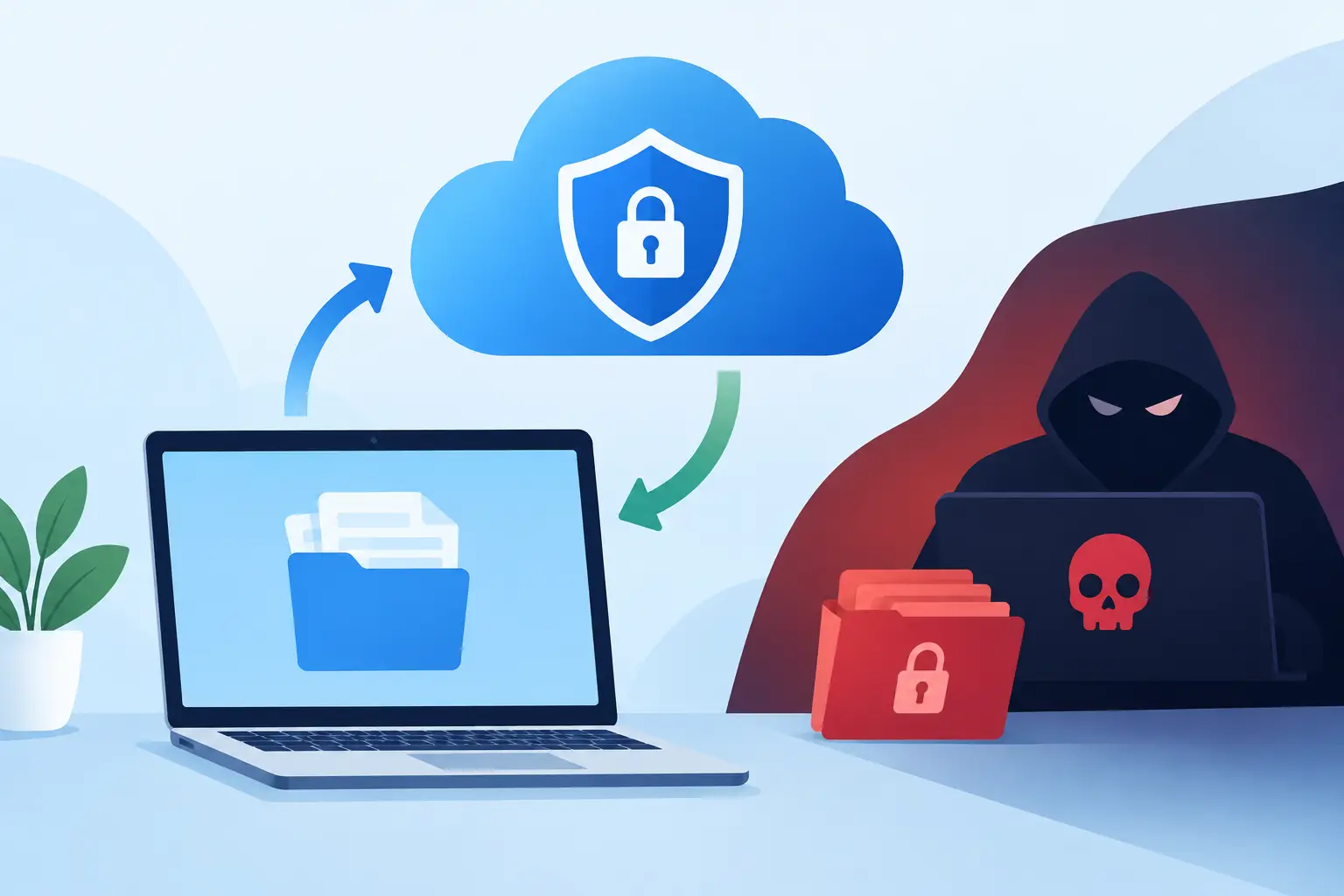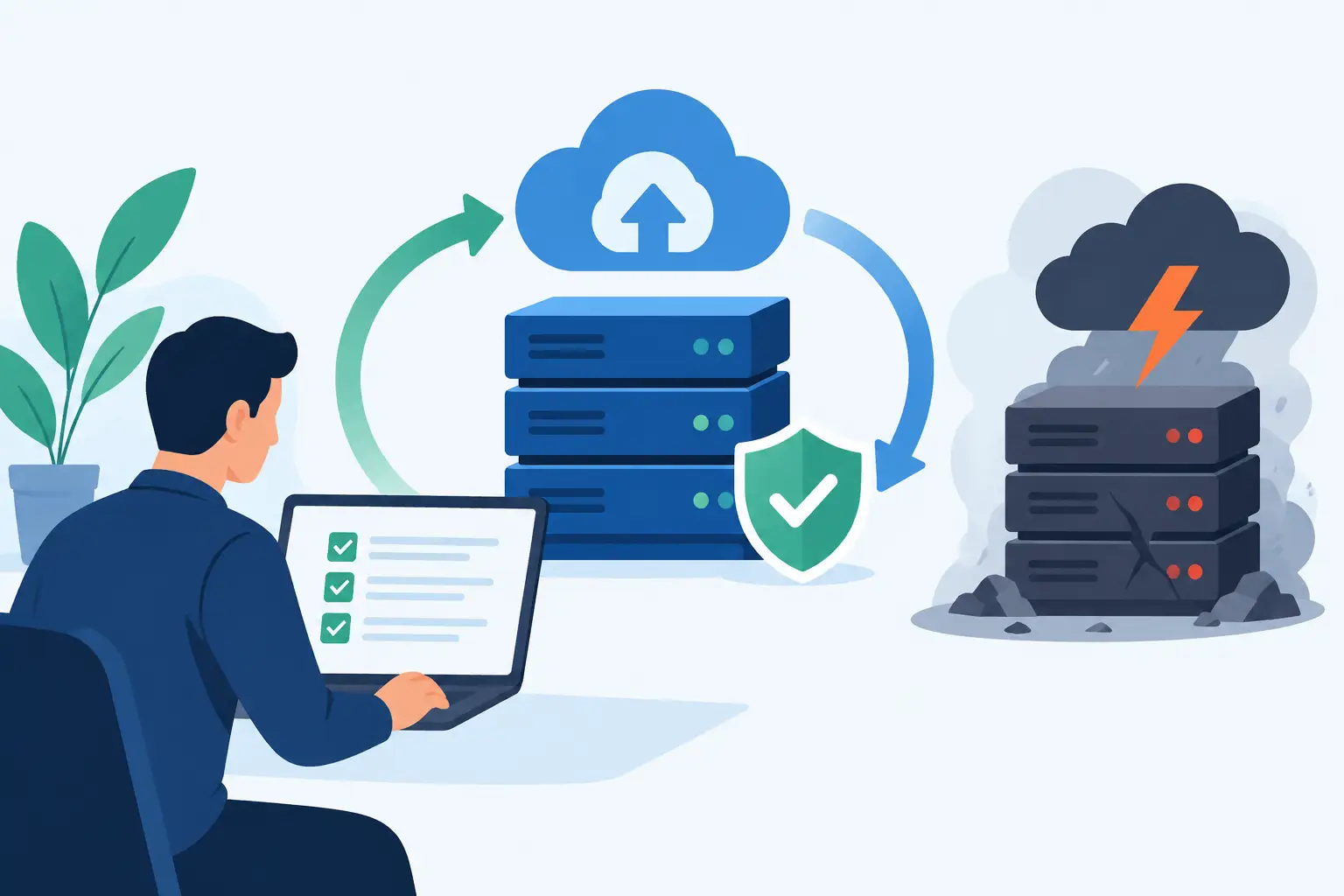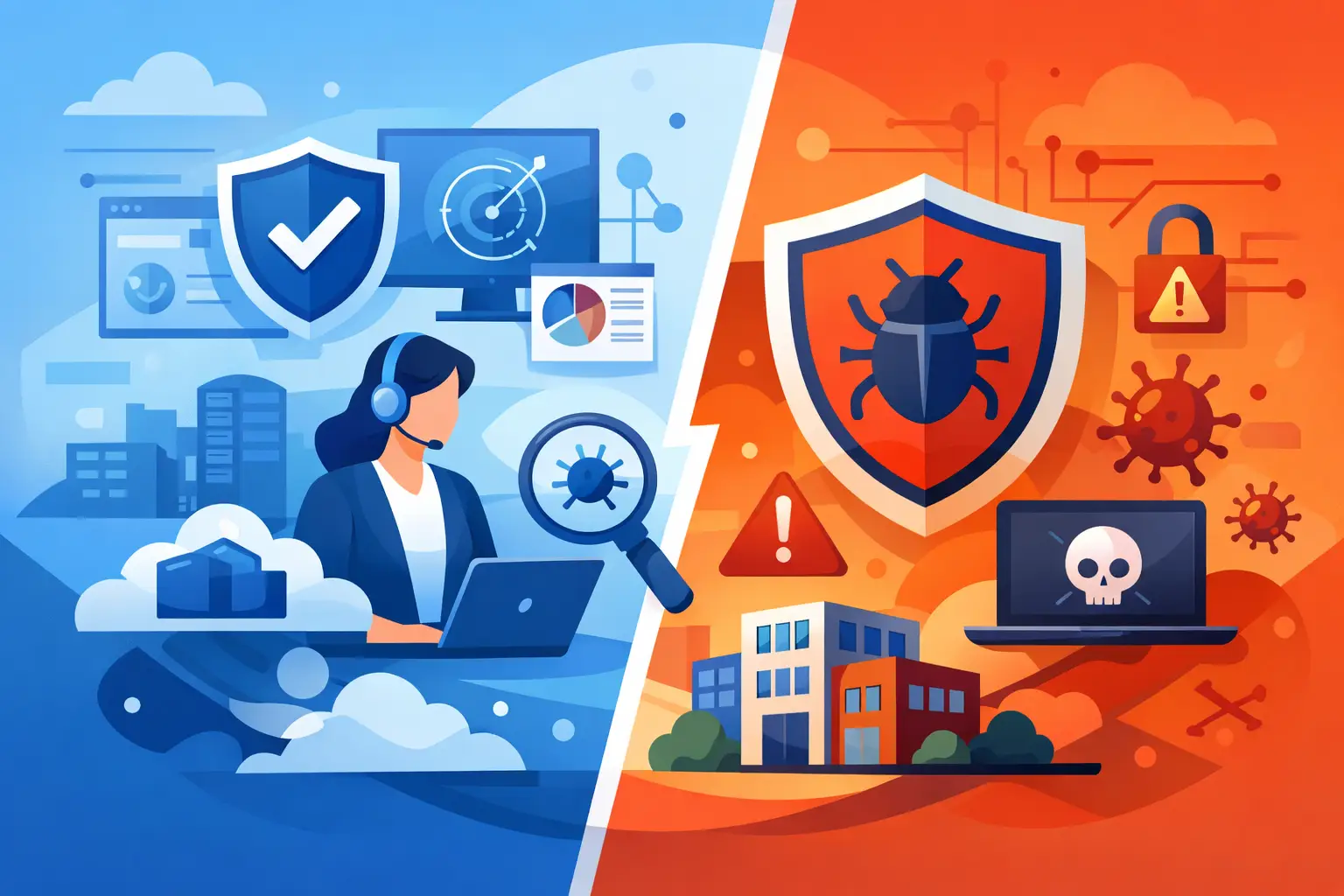

A suspicious login at 2.13am is not a business problem because it is suspicious. It becomes a business problem when an attacker uses it to access accounts, move through systems and interrupt the working day before anyone has spotted the warning signs. That is the real distinction in managed detection versus antivirus: one tool is designed to prevent known threats, while the other combines technology and human expertise to identify and contain threats that have made it past the first line of defence.
For many small and medium-sized businesses, antivirus remains essential. It is also often treated as the whole security strategy. That assumption can leave a gap between an alert appearing on a device and someone with the right skills taking action. Understanding where that gap sits helps business leaders make a sensible investment in protection, without buying security services that do not match their risks or operations.
What antivirus is designed to do
Antivirus software protects endpoints such as laptops, desktops and servers. Traditional products use known malware signatures to detect harmful files, while modern endpoint protection platforms also look for suspicious behaviour, malicious websites and risky downloads. It can block a great deal of everyday cybercrime before it reaches staff or business data.
This is valuable protection, particularly against common malware, phishing attachments and unauthorised software. A centrally managed antivirus service can also show whether devices are protected, whether updates are current and whether a machine needs attention. For an SME, that baseline control is far better than relying on staff to make the right decision every time an unexpected attachment arrives.
Antivirus does, however, have a defined role. It is primarily focused on prevention at the endpoint. It may generate alerts when something unusual happens, but it does not necessarily provide an experienced security analyst to investigate the event, establish its business impact and respond outside office hours.
Managed detection versus antivirus: the operational difference
Managed detection and response, often shortened to MDR, is a managed security service. It uses endpoint, identity, network and cloud telemetry to look for evidence that an attack may be underway. A security operations team then investigates meaningful alerts and takes or recommends response actions according to an agreed process.
The difference is not simply that managed detection has more software. It adds continuous oversight and judgement. Attackers do not always use obvious malware. They may log in with stolen credentials, create a mailbox rule to hide replies, access a cloud application from an unusual location or use legitimate administration tools in an unsafe way. Antivirus alone may not recognise each action as malicious. An analyst can assess the pattern.
That matters when time is short. If a compromised account starts downloading files or a device begins encrypting shared folders, a response service can isolate the endpoint, disable access or escalate to the right contact. The aim is to reduce the period between detection and containment, limiting downtime and the amount of data an attacker can reach.
Managed detection is not a replacement for antivirus. In most cases, it builds on endpoint protection or endpoint detection and response technology. Think of antivirus as a lock on the door and managed detection as a security team that notices unusual activity around the building, works out whether it is a genuine threat and acts before the intruder reaches critical areas.
Why alerts alone do not equal protection
Security tools can create a high volume of notifications. Some are harmless, some need a quick configuration change, and a small number signal a serious incident. An internal administrator or office manager may be capable of handling routine IT tasks but cannot reasonably be expected to investigate every security alert, particularly at night or during a busy working day.
This is where unmanaged tools can become a false comfort. The software may be installed and reporting correctly, yet the business still has no clear owner for triage, investigation and containment. If an alert is reviewed hours later, the attacker may have had time to spread to other accounts, systems or backups.
A managed detection provider brings process as well as monitoring. That should include clear escalation routes, documented response authority and regular reporting that explains what has been found and what needs improvement. The service should not leave a business with vague warnings or a long list of technical tasks without context.
When antivirus may be enough
Antivirus can be an appropriate starting point for a very small business with straightforward systems, limited sensitive data and a dependable IT partner that actively monitors the environment during business hours. It is also appropriate where the budget needs to focus first on basic cyber hygiene: patching, multi-factor authentication, secure backups and staff awareness.
Even then, the business should be honest about its exposure. A company that uses Microsoft 365, stores customer information, processes payments or relies on staff working remotely is not protected solely because every laptop has antivirus installed. Identity and cloud attacks can cause just as much disruption as a malicious file on a computer.
The question is not whether antivirus is worthwhile. It is whether the consequences of a missed or late response are acceptable. For a business that could lose trading time, client trust or access to vital records after a cyber incident, the answer is often no.
When managed detection is the stronger fit
MDR is usually a better fit when systems support daily operations and extended downtime would quickly become expensive. It is particularly relevant for businesses with remote workers, multiple locations, cloud services, sensitive customer data or a small internal IT function that already has too much to manage.
It also suits organisations that have previously experienced phishing, account compromise or ransomware attempts. Past incidents often reveal that prevention controls work well until one attack takes a different route. Managed detection provides more visibility into what happens after a threat bypasses those controls.
Before choosing a service, ask how it monitors your environment, which data sources it can see, who investigates alerts and what actions can be taken without delay. Confirm whether monitoring is available around the clock, how urgent incidents are communicated and whether the provider will help with recovery after containment. A service that only forwards alerts is not the same as one that actively manages a response.
Protection works best as a connected service
Cybersecurity decisions should support business continuity, not sit separately from it. Detection is stronger when it is connected to properly managed devices, secure identity controls, patching, email protection and tested backups. Recovery is faster when the people responding to an incident understand the company’s systems, priorities and escalation contacts.
For example, isolating an infected laptop is a sensible immediate action, but the wider response may require checking shared drives, resetting credentials, reviewing email rules and confirming that backups are intact. Fragmented suppliers can slow this work down. A managed IT and security partner can coordinate the technical response while keeping business leaders informed in plain language.
Host-It supports Dublin SMEs with this practical approach: protecting the systems people rely on, responding when issues arise and helping businesses recover without unnecessary disruption. The goal is not to overwhelm teams with security terminology. It is to make sure someone is accountable when a real threat needs immediate attention.
A sensible way to decide
Start with the systems that would hurt most to lose. Consider how long staff could work without email, shared files, line-of-business applications or remote access. Then consider who would investigate an alert at 3am, who has authority to isolate a device or suspend an account, and whether your backups have been tested under realistic recovery conditions.
If those answers depend on one busy employee, a general IT inbox or luck, managed detection deserves serious consideration. If the business is still improving basic controls, antivirus remains an essential foundation, but it should be managed properly and combined with a plan for what happens when prevention fails.
The most useful next step is not to buy the most complicated security package. It is to establish who is watching, who can act and how quickly your business can return to normal if an attack gets through.