
A staff member unable to access a key system at 9am, a suspicious email landing in several inboxes, or an overnight backup that failed without anyone noticing can quickly become a business problem rather than an IT problem. The best managed IT solutions give SMEs a dependable way to prevent these issues where possible and resolve them quickly when they occur.
For many growing businesses, technology has become essential to every part of the working day. Staff need reliable devices, secure access to files, working phones, protected data and support that does not disappear once an installation is complete. Yet employing a full in-house IT department is often neither practical nor cost-effective. A managed IT partner can fill that gap, but the quality and scope of service varies considerably.
The right choice is not simply the provider with the longest list of technical services. It is the one that understands how your business operates, takes responsibility for the systems that keep it moving and helps you make sensible decisions before small faults become costly disruption.
What the best managed IT solutions should deliver
A managed IT service is an ongoing relationship. Rather than calling a technician only after something breaks, your business receives planned monitoring, maintenance, support and advice. This model should reduce recurring issues, improve visibility over your technology and provide a clear route to help when staff need it.
The best managed IT solutions focus on business continuity as much as technical maintenance. That means looking beyond laptops and passwords to ask practical questions. Can your team work if the office loses connectivity? Can data be restored promptly after accidental deletion or ransomware? Are former employees removed from systems without delay? Is a planned office move going to interrupt trading?
A capable provider should translate these risks into clear actions and priorities. Not every business needs the same technology or level of cover. A professional services firm handling sensitive client information may need stricter access controls than a small retail operation, while a hybrid team may place greater emphasis on secure remote access and cloud collaboration. Good managed support is tailored to the way you work, not sold as a fixed bundle that leaves gaps.
Support that keeps people productive
Responsive support remains the foundation of managed IT. When a member of staff cannot send email, access a shared folder or connect to a business application, the impact is immediate. Delays create frustration, missed deadlines and workarounds that can introduce further security risks.
Look for a provider that offers a clear service desk process, defined response expectations and direct communication. It should be easy for employees to report a problem and easy for managers to understand what is being done about it. A ticketing system is useful, but it should not become a barrier between your people and the help they need.
Proactive monitoring also matters. Many faults, such as low storage capacity, failing hardware or unusual system activity, can be identified before they stop work altogether. Monitoring is only valuable, however, if somebody acts on the alerts and communicates the next step. An alert that sits unanswered is not protection.
For SMEs, the value is often in having an experienced team available without carrying the overhead of several specialist hires. Your business still needs internal ownership of decisions and priorities, but it does not need to solve every technical issue alone.
Cyber security must be practical, not just a policy
Cyber threats are no longer limited to large organisations. Smaller businesses are regularly targeted because attackers know that time, skills and security budgets can be limited. Email compromise, phishing, stolen credentials and ransomware can all lead to financial loss, downtime and serious reputational damage.
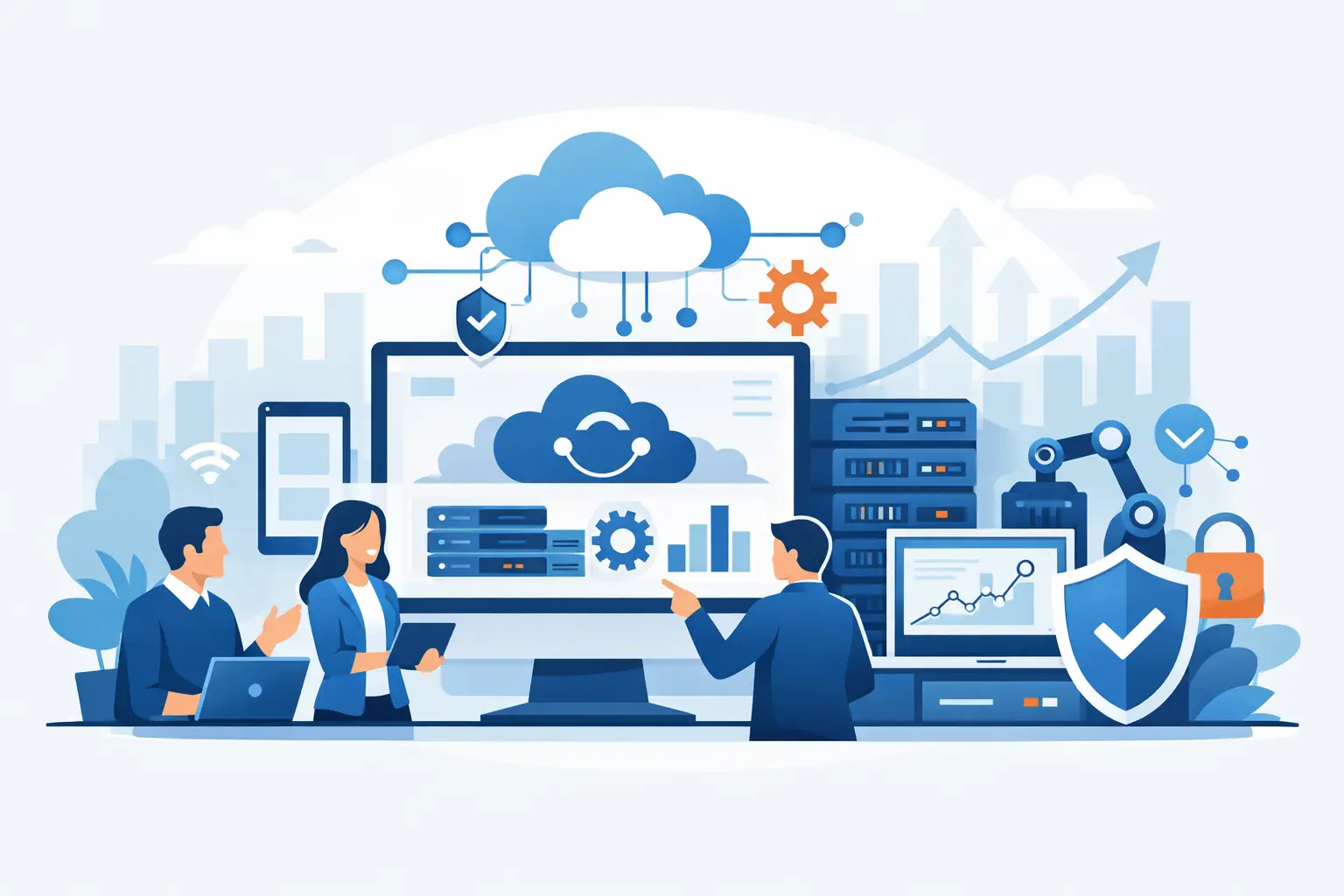
A managed provider should take a layered approach to protection. This normally includes endpoint security on devices, email filtering, multi-factor authentication, patch management, access controls and monitoring for suspicious activity. Security awareness for staff is also essential, because a sophisticated technical setup can still be undermined by a convincing fraudulent email.
The trade-off is usability. Excessively restrictive systems can slow down legitimate work, particularly for mobile or hybrid teams. Weak controls, on the other hand, make life easier for criminals. The right approach balances security with how people actually need to access information. It should also be reviewed as your staff, suppliers, applications and working arrangements change.
Ask prospective providers how they manage security incidents. You need more than a statement that protection software is installed. Find out who investigates an alert, how quickly you will be contacted, what happens if an account is compromised and whether there is a documented escalation process. Clear answers are a strong indicator of operational maturity.
Backup and recovery are different things
Many businesses believe they are protected because files are copied to a cloud platform or a backup device. That is only part of the picture. A backup is useful only when it is complete, secure and capable of being restored within an acceptable timeframe.
Recovery planning should identify which systems are most critical, how much data the business can afford to lose and how long operations can continue without access to each service. An accounting platform, customer database, shared document library and phone system may all have different recovery requirements.
A dependable managed IT partner tests recovery rather than assuming it will work. They should be able to explain where copies are held, how they are protected from ransomware, how restoration is carried out and what support you receive during an incident. For a business that relies on customer communication, restoring a server after several days may be technically successful but commercially unacceptable.
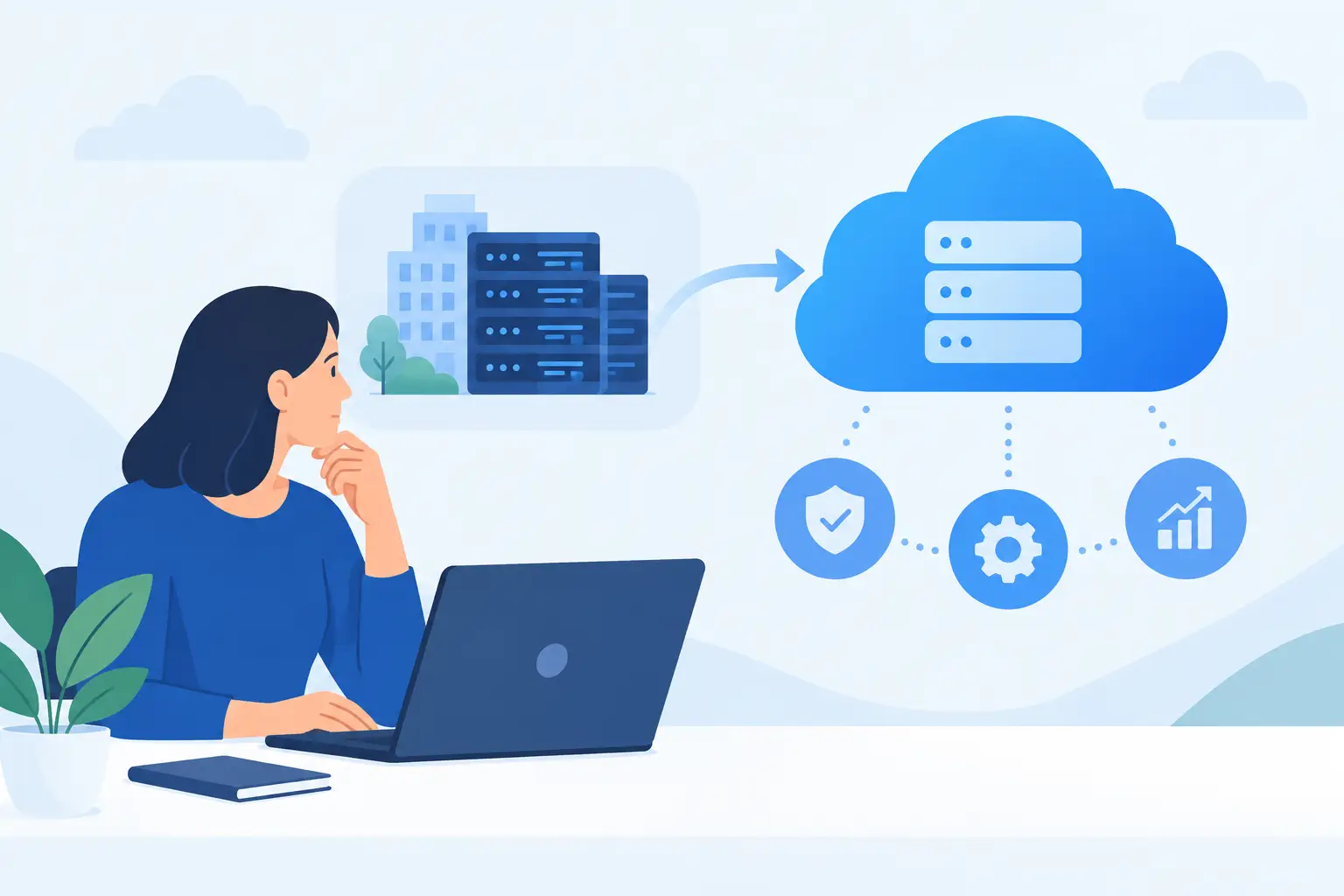
This is also where integrated services can make a genuine difference. If your IT support, security, connectivity, cloud services and business phones are handled by separate suppliers, diagnosing an outage can become a frustrating exercise in passing responsibility. A single accountable partner can coordinate the response and reduce the time spent managing suppliers during a stressful event.
Choosing a provider: look beyond the monthly fee
Price matters, particularly for an SME managing a careful budget, but the lowest monthly figure can hide exclusions that become expensive when problems arise. Compare proposals based on what is included, how support is delivered and where your responsibilities begin.
When assessing managed IT solutions, consider these practical areas:
- Support coverage, response targets and whether remote and on-site assistance are included.
- Cyber security controls, monitoring, incident handling and staff awareness support.
- Backup scope, recovery testing and realistic recovery time expectations.
- Management of devices, software licences, user access and routine updates.
- Strategic guidance for upgrades, cloud migration, office moves and future growth.
It is equally useful to ask about the onboarding process. A new provider should document your systems, identify immediate risks, take control of key accounts and create a sensible improvement plan. This work can reveal legacy hardware, unsupported software or unmanaged administrator accounts that have been overlooked for years.
For Dublin businesses, local availability can be particularly valuable when an office setup, relocation, network fault or hardware replacement requires someone on site. Remote support resolves many day-to-day issues efficiently, but a provider should also have the capacity to assist in person when the situation calls for it.
The value of one accountable IT partner
Technology decisions are rarely isolated. Moving files to the cloud affects identity and access management. A new VoIP phone system depends on network quality. An office relocation needs connectivity, device setup, security and communications to be ready at the same time. Treating each project as a separate purchase can create unnecessary complexity.
An integrated managed service model provides a clearer view of these dependencies. It gives your business one point of accountability across day-to-day support, security, cloud infrastructure, backup, connectivity and communications. That does not mean every organisation should move every service to one provider immediately. Existing contracts, specialist applications and internal expertise may make a phased approach more sensible.
What matters is that somebody owns the overall picture. They should understand which systems are business-critical, maintain an accurate record of assets and access, and advise you when a change in one area could affect another. This reduces surprises and helps IT become a planned business function rather than a series of emergencies.
Host-It provides IT support for SMEs that need this kind of practical, ongoing support: protection for essential systems, responsive help for staff and a clear plan for continuity when problems arise.
A useful next step is to review one ordinary working day through the lens of disruption. Consider what happens if your internet connection fails, a director loses a laptop, a supplier sends a fraudulent invoice, or your main files become unavailable. The answers will show where your business needs stronger support and what a managed IT partner should be ready to deliver.